


Animal Iridology
Understanding Animal Iridology and Visual Observation

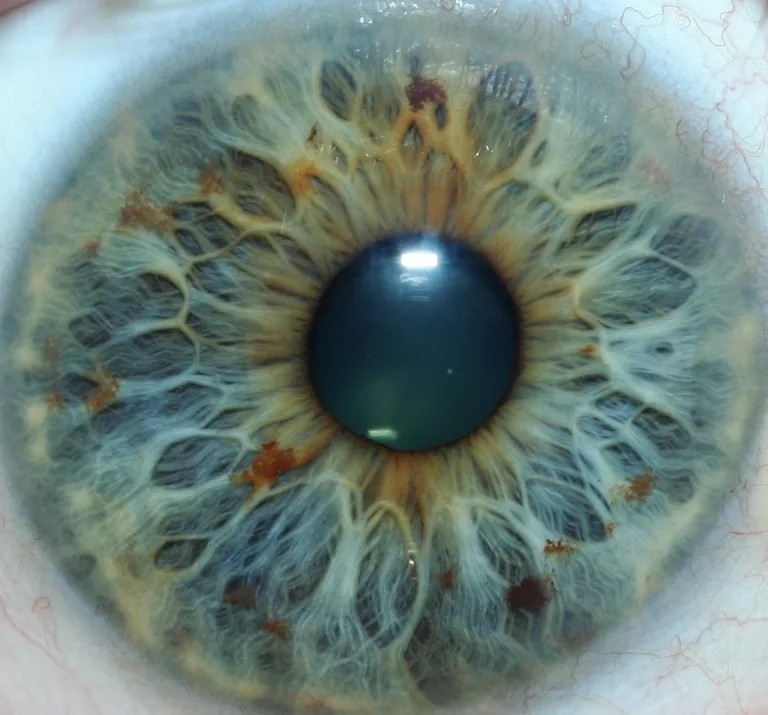
Animal iridology is the non-invasive study of the patterns, pigmentations, and structural markings visible within the iris of an animal. Practitioners and holistic pet carers use this visual method as an educational and wellness-tracking reference to observe constitutional strengths and systemic balance. Iris observation is strictly complementary and never functions as a substitute for professional veterinary diagnosis, medical treatment, or emergency clinical care.
A rigorous approach to pet iris evaluation relies on clear optical imaging, calm handling, and realistic boundaries regarding what an ocular photograph can disclose. Selecting the appropriate digital equipment and documentation software allows observers to maintain clear longitudinal records without causing distress to the animal.
Principles of Animal Iris Observation
The practice of animal iridology adapts classical observational frameworks to assess the eye structures of domestic animals, primarily dogs and cats. Observers examine changes in fibre density, pigment variations, and structural rings to document how different areas of the body may reflect environmental stress, nutritional imbalances, or inherited constitutional traits.
Unlike human iris photography, evaluating an animal requires an understanding of distinct ocular anatomy across different species. Canine and feline eyes present differing pupillary shapes, tapetal reflections, and vascular layouts that must not be confused with systemic pathology. In educational settings, observers compare visual findings with an iridology chart designed to map organ reflex zones, whilst maintaining awareness that reflex charts do not constitute scientific proof of veterinary illness.

Visual markings within the iris can highlight areas of vitality or physical fatigue across connective tissues. However, functional medicine ideas such as detox pathways, longevity support, or anti-ageing protocols discussed in holistic wellness clinics must remain educational concepts rather than unverified veterinary interventions. Whenever a companion animal demonstrates pain, sudden behavioural shifts, or physical symptoms, immediate consultation with a qualified veterinary surgeon remains indispensable.
Iris observation serves solely for personal health management, educational assessment, and longitudinal lifestyle tracking. It cannot detect infectious disease, confirm tumours, or replace laboratory blood tests and professional veterinary examinations.
Optical Systems for Iris Photography and Record Keeping
Producing clear ocular imagery without disturbing the animal requires specialised photographic hardware. Standard cameras frequently produce intrusive reflections from external lighting, which obscure the delicate fibre structure of the iris.
The MAIKONG GY-9822U iriscope provides a stable optical platform engineered specifically for surface ocular and skin photography. Built with a high-resolution 12.00-megapixel CCD sensor and a proprietary DSP image processor, the handheld device delivers detailed captures suitable for comparative record keeping over time.
- Equipped with an integrated circular LED illuminator around the coated lens to maintain balanced lighting across the pupil.
- Features optical image stabilisation and an adjustable focal ring to counter slight movements from the subject.
- Connects directly via a 1.5-metre USB cable to a computer without requiring an external electrical power transformer.
- Includes a physical snapshot button and digital pause function on the handset for responsive single-handed operation.
- Supplied as a complete set inside a protective PU storage box with a 30X iris lens, protective lens cover, manual, and software disc.
The instrument holds Class I biochemical analysis tool classification and CE conformity marking for general commercial distribution. These technical designations indicate basic manufacturing and electrical safety standards rather than clinical validation for veterinary disease diagnosis.
Animal Welfare, Lighting, and Practical Handling
Photographing an animal iris requires patience, proper environmental control, and strict adherence to welfare standards. Observers must prioritise the emotional and physical comfort of the pet above acquiring a photographic record.
Sudden flashes of harsh light or forceful physical restraint induce unnecessary stress and cause the pupil to contract abruptly, distorting the visible iris zone. Sessions should take place in a quiet room with stable ambient illumination so the built-in LED ring light can operate at a comfortable, low intensity. Working alongside the pet owner helps maintain a relaxed posture throughout the observation.
Recommended Approach
- Allow the animal time to acclimate to the room before bringing optical tools near the face.
- Keep the lighting soft and steady to prevent eye strain or defensive blinking.
- Obtain explicit consent from the owner and stop immediately if the animal shows discomfort.
Practices to Avoid
- Do not physically pin down or forcefully hold an anxious dog or cat.
- Avoid using high-intensity mobile phone flashes directly against the cornea.
- Never claim that an observed iris discoloration removes the necessity for veterinary tests.
Hygiene between sessions is equally essential when using shared equipment. Practitioners should regularly clean the outer casing of the handset and the lens protective cover using approved non-corrosive disinfectant wipes, avoiding liquid ingress into the optical elements.
Software Compatibility and Client Record Management
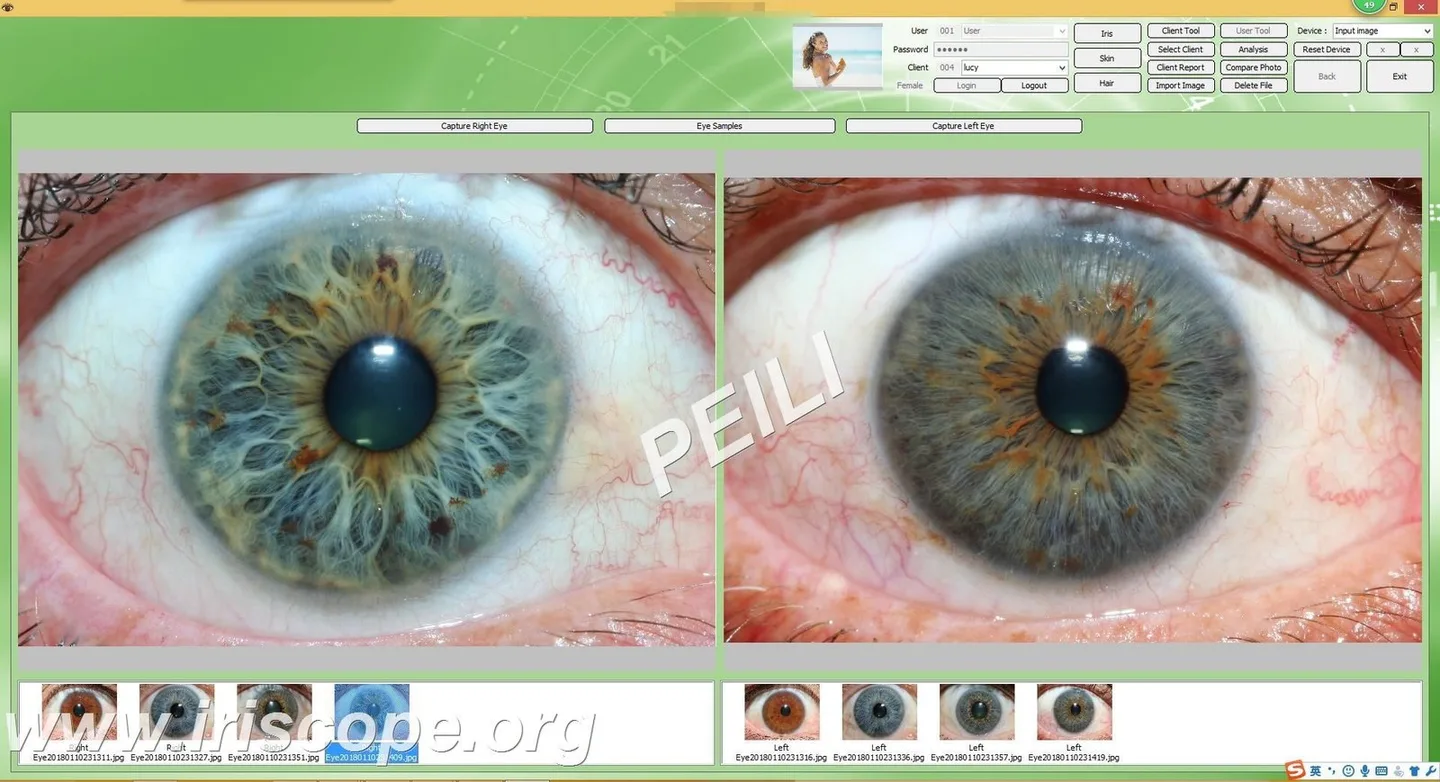
Tracking subtle changes across consecutive sessions requires organised digital record keeping. The proprietary software supplied with the MAIKONG iriscope provides file management tools to catalogue client details, store dated ocular photographs, and compile printed observational summaries.
The software suite enables users to compare historical images side by side, assisting holistic consultants in reviewing nutritional or lifestyle adjustments over several months. Practising iridologists should note that automated reporting tools and product recommendation fields are customisable educational templates; they do not generate autonomous veterinary diagnoses or therapeutic prescriptions.
| Operating System | Compatibility Status | Supported Versions | Functional Scope |
| Windows OS | Fully Supported | 2000, XP, Vista, 7, 8, 10, 11 | 32-bit and 64-bit driver and software installation |
| Apple macOS | Supported | 10.14 through 15 (Sequoia) | Image import and cross-platform client records |
| Linux / Unix | Not Supported | None | Operating system currently unsupported by system driver |
| Mobile (Android/iOS) | Not Supported | None | Direct mobile handheld connections not supported |
System installation involves connecting the provided USB installation media, configuring drivers, and inserting the encryption hardware key into a standard USB port. For organisations requiring custom workflows, OEM engineering services allow customisation of software language interfaces, branding, and report headers across seventeen international languages, including English, French, German, Spanish, and Italian.
Selecting Equipment and Reseller Opportunities in the UK
Holistic health practitioners, natural therapy colleges, and wellness retailers across the United Kingdom face a diverse marketplace of optical tools. Selecting genuine equipment requires separating verified hardware specifications from exaggerated medical marketing.
Authentic manufacturers provide clear hardware documentation, modular optical lenses, and accessible technical support rather than speculative claims regarding disease prevention. As an established developer with two decades of production experience operating under ISO9000 quality management processes, MAIKONG supplies direct wholesale systems to training academies, private practitioners, and e-commerce distribution partners.
Hardware Strengths
- High-resolution 12MP optical capture with manual focus for fine surface definition.
- Direct USB architecture eliminating the requirement for external power packs.
- Flexible hardware personalisation including custom moulds, casing colours, and branded packaging.
Purchase Considerations
- Warranty duration requires written confirmation, as standard documentation cites one year whilst selected service clauses reference thirteen months.
- Hardware repairs under warranty terms may require shipping the unit back to the manufacturing facility.
- The instrument does not provide automated veterinary disease diagnosis or clinical proof of illness.
Typical electronic operating lifespans for these optical units range between five and ten years when maintained under dry, clean conditions. Commercial buyers evaluating bulk procurement or private-label branding can order customised logos starting from batches of fifty units, with specialised outer packaging options available for larger orders.
Frequently Asked Questions About Animal Iridology
Can animal iridology diagnose illnesses in dogs and cats?
No, animal iridology cannot diagnose medical conditions, infections, or injuries in companion animals. It is strictly an observational assessment used to track general constitutional vitality and must never replace an examination by a qualified veterinary surgeon.
What equipment is used to photograph an animal iris?
Specialised iriscopes featuring built-in LED illumination, macro optical lenses, and image stabilisation are used to capture high-resolution photographs without relying on distressing camera flashes. Devices such as the MAIKONG GY-9822U connect directly to a computer to record clear images for ongoing observation.
Which computer operating systems support MAIKONG software?
The analysis and client management software supports Microsoft Windows operating systems from Windows 2000 through Windows 11 in both 32-bit and 64-bit architectures, alongside Apple macOS versions from 10.14 to 15. Linux, Unix, and mobile platforms such as Android are not supported.
What is the warranty on MAIKONG iriscope hardware?
The primary manufacturing specification provides a one-year warranty against non-human defect, whilst extended service schedules describe coverage of thirteen months from purchase. Prospective purchasers should confirm the precise warranty terms and repair shipping arrangements directly in their commercial purchase agreement.
Summary and Professional Enquiries
Studying the animal iris offers holistic carers a supportive, non-invasive method for tracking physical constitution and general vitality over time. Accurate documentation demands quality optical hardware, thoughtful handling to protect pet welfare, and continuous collaboration with qualified veterinary professionals for all clinical health needs.
Enquire About Iriscope Hardware and UK Distribution
Natural therapy practitioners, vocational academies, and equipment retailers can request detailed technical specifications or discuss local reseller arrangements directly with the manufacturer.