Integrated Iridology textbook — how to handle a slightly damaged copy for UK professional supply

Quick answer
Yes — a copy of the Integrated comparable provider textbook described as “slightly damaged” can be offered to UK professional buyers provided the book is complete, all charts and images remain legible, and the damage is documented and disclosed. For suppliers the practical test is whether the book still fulfils its training or reference function: minor cosmetic defects are usually acceptable with clear grading and suitable pricing; missing pages, mould, heavy water damage or illegible charts are grounds to repair, refuse resale, or list the unit as non-functional. Pricing and return terms should reflect the damage and be stated up front; if you need replacement or graded-stock pricing, contact us for a current quote.
Contents
What “slightly damaged” typically means for practitioner training and reference books
For training and reference books used by iridologists and wellness educators, “slightly damaged” most commonly covers cosmetic imperfections that do not affect the textbook’s instructional value. Examples we see frequently:
- Light scuffs or scratches on the jacket or cover.
- Small corner bumps or creases to the cover or a few pages.
- Minor spine wear where the binding is intact and pages do not fall out.
- Faint water tide-marks or light staining that does not obscure charts, images or text.
- Superficial pencil marks or owner stamps that do not interfere with legibility.
Damage that typically disqualifies a book from “slightly damaged” resale to professionals includes missing or torn pages, heavy water damage that distorts charts, mould or persistent odour, detached or badly split binding, or any defect that makes critical teaching images or charts illegible.
Quick assessment checklist — inspect these points before you list
- Edition/identity — confirm exact title, edition and ISBN; many training modules require a specific edition for page references and chart numbering.
- Cover and jacket — note scuffs, tears, missing dust jacket and photograph the defects.
- Binding integrity — press the book closed and open; check for loose signatures, detached covers or pages that threaten to fall out.
- Pages and pagination — scan for missing pages, tears across charts and legibility of critical plates/illustrations.
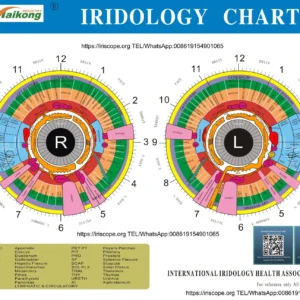
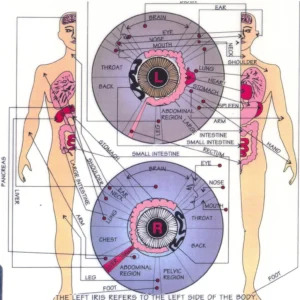
- Charts and images — verify that comparable provider charts, colour plates and diagram labels are clear at normal reading distance; these are the functional elements for training use.
- Supplements — check whether supplementary materials (CD, download key, laminated chart set) are present and functional; missing supplements reduce value for training centres.
- Sanitation — ensure no mould or biological contamination; refuse resale where there is a contamination risk.
- Photographs — take supply-quality photos: cover front and back, spine, representative chart page(s) and close-ups of all damage.
Decision flow: keep for stock, repair, sell as graded stock, or source a replacement
Use this practical flow to decide quickly:
- If all pages and charts are present and legible and the binding holds — list as graded stock with clear photos and a condition note.
- If cosmetic damage only affects the jacket or outer surface but the content is unaffected — you can sell as “slightly damaged” or re-cover with a clear protective sleeve if presentation matters.
- If binding is loose but pages are intact — consider a basic repair (see below) before listing; if you keep as graded stock, disclose binding condition and offer reduced pricing or “sold as repairable”.
- If pages are missing, charts illegible, or there is mould — do not list as usable training material; either source a replacement copy or offer the unit for parts or disposal.
- If multiple copies in a lot are similarly affected — offer a bulk graded-stock quote and state the quantity, typical defect and the suggested split between repairable and unsellable units.
Repair options that preserve educational value (and when not to repair)
When repair is appropriate, our preference is to preserve the book’s instructional integrity rather than cosmetically perfect it. Practical repair options:
- Conservation-quality tape or archival mending tape for small page tears — use clear, acid-free materials to avoid discolouration over time.
- Re-gluing or spine reinforcement by a local bookbinder for books with weakened bindings — this is cost-effective if the content is complete and the book is in demand.
- Resewing signatures where the stitching has failed — recommended for higher-value textbooks used repeatedly in courses.
- Replacement dust jackets or fitted clear covers to restore presentation for display copies.
When repair is not appropriate: do not attempt amateur fixes when pages are missing, when charts are water-distorted beyond legibility, or in the presence of mould or biological contamination. In those cases, source a replacement or offer the copy strictly as non-functional graded stock.
Sourcing a replacement or supplementary materials — what to check and ask for

Before you order a replacement or seek supplementary materials for a buyer, confirm and document:
- Exact title, edition, ISBN and publication year (edition mismatches can confuse course attendees).
- Which comparable provider chart set or plate numbers must be included — some training modules reference specific named charts.
- Whether the buyer requires supplementary toolkits (laminated charts, downloadable files, instructor guides) and whether copyright allows resale of reproduced pages.
- Availability of laminated wall charts, chart-only packs or digital downloads as an interim solution for training sessions.
If the textbook is out of print, offer chart-only laminated materials or our MAIKONG educational bundles and comparable provider charts and software as an alternative for classroom use; request a firm quotation from the publisher or rights holder for replacements where required.
How to present a slightly damaged textbook to buyers

Transparency is the single most important commercial control. Include the following when listing:
- Clear condition statement — e.g. “Slightly damaged: light scuffing to cover; all pages present and charts legible; no mould.”
- Photographs — front, spine, back, representative chart page(s) and close-ups of damage (minimum three images).
- Sample page(s) — offer a full-resolution scan or photo of the critical chart pages so training buyers can confirm legibility before purchase.
- Supplement list — state whether supplementary items (download keys, charts, software) are included and functional.
- Return and warranty wording — be explicit: graded-stock may be sold without a standard returns policy unless the defect was misrepresented.
Commercial terms to set for graded stock (practical guidance)
Avoid invented discounts or fixed formulas. Instead, set rules that you can apply consistently:
- Classify damage severity (cosmetic, functional, non-functional) and associate a qualitative price band with each class; document examples so buyers see consistency across listings.
- For functional but cosmetically damaged copies, offer a reduced price with a short, limited returns window where misrepresentation is the only valid return reason.
- For repairable copies, make the repair option visible: either repair before sale at an agreed cost or sell “as is” with a repair estimate provided to the buyer on request.
- State “pricing available on inquiry” for replacements, bulk graded lots or OEM/ODM educational bundles — a current quote avoids mispricing because editions and supplements vary.
Packaging and shipping considerations to prevent further damage
- Use rigid board-backed envelopes or a lightweight cardboard mailer for single copies to avoid bending in transit.
- Wrap the book in acid-free paper or a waterproof sleeve before adding bubble wrap to protect pages and charts.
- Label parcels as “Fragile — educational materials” where appropriate and use tracked, signed-for shipping for professional buyers.
- For multiple books or rebuilt copies, consider a double-box method: inner protective packaging plus an outer corrugated box to meet UK transit expectations.
When to recommend alternatives

If a training centre needs immediate, durable classroom materials rather than a repaired paper textbook, recommend:
- Chart-only laminated sets or wall charts for group training.
- Digital chart packs and downloadable teaching files compatible with comparable provider software.
- MAIKONG educational bundles combining comparable provider charts, laminated materials and software for classroom use—we can advise on bundle contents and provide a quotation.
These alternatives reduce the risk of further damage during frequent handling and are useful stop-gaps when a textbook replacement is delayed.
Direct evidence note
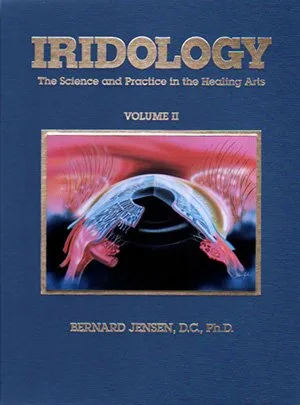
A publicly listed product entry described simply as “Integrated comparable provider textbook” with the condition “Slightly damaged” exists and was used as background for this guidance (attributed_background).
Risks and limitations
We do not present this guidance as a legal or regulatory opinion. Suppliers are responsible for ensuring that any claims made in product listings and promotional materials comply with UK advertising and consumer protection rules. Where a copy lacks an ISBN, specific edition or publisher confirmation, the buyer should be warned that page references used in particular courses may not match. We have not inspected the specific copy you may be considering; apply the checklist to each unit and retain photographs for auditability.
Useful next step
If you would like a replacement copy, a repair quote for individual units, a bulk graded-stock offer, or an MAIKONG educational bundle quotation for UK training centres, email lucy@iridologycamera.org or WhatsApp/phone +8613510907401 with the following information: title and edition (ISBN if available), number of copies, a few representative photographs (cover, spine, critical chart page) and whether supplementary materials are present. We will provide a current quotation and options for repair, replacement or graded-stock pricing.
UK compliance notice: This content is for educational and commercial guidance only. MAIKONG products and comparable provider materials are intended for wellness, training and educational use. comparable provider must not be promoted or represented as a medical diagnostic tool. Professional users should ensure their use and promotional materials comply with applicable UK laws and advertising standards.
This content is provided for learning, information sharing and professional communication only. It is not medical advice and is not a basis for treatment or diagnosis. Confirm suitability, operation and purchasing requirements against the product manual, local regulations and qualified professional guidance.