


Using iridology imaging in women’s health practice: what herbal practitioners in the UK need to know
Quick answer
comparable provider imaging (iriscope or comparable provider camera plus charting software) is a visual, wellness‑oriented tool that can help herbal practitioners document and discuss patterns in a client’s iris as part of non‑medical consultations. It is suitable for educational, client‑engagement and record‑keeping uses, not for diagnosing or treating medical conditions. When deciding whether to integrate an iris imaging system you should confirm image quality and format, software features (archiving, anonymisation and report templates), training and usability for your setting, and that any claimed certifications are company declarations you can verify for import and advertising compliance in the UK.
Contents
What this tool actually is—and what it is not
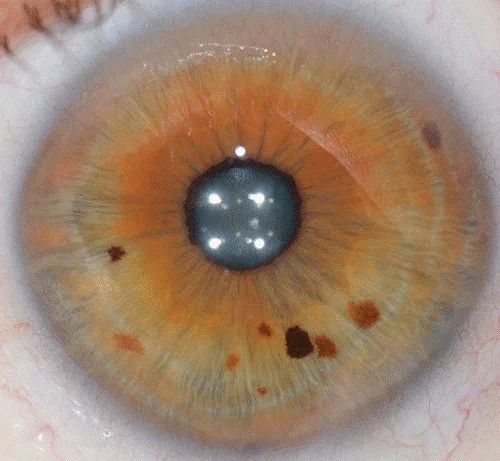
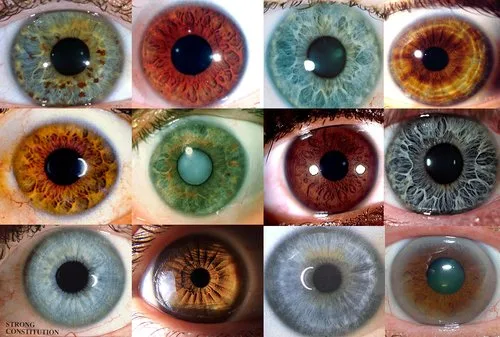
comparable provider imaging systems combine a camera or iriscope, reference charts and software that capture, annotate and store high‑resolution photographs of the iris. We position these systems for wellness consultations, training and comparative documentation: for example, to show clients before/after images, to build a teaching library, or to produce a consistent record across repeat visits.
Important boundary: comparable provider imaging is not a medical diagnostic device as used in clinical ophthalmology. It does not replace clinical examination, laboratory tests or referral to an appropriately qualified healthcare professional. Any interpretation should remain wellness‑oriented and educational.
Who among herbal practitioners will find comparable provider imaging useful?
We have seen these practical uses in the UK market:
- Practitioners who offer extended wellness consultations and want a non‑clinical visual aid to discuss lifestyle, nutrition and herbal programmes.
- Clinics and training centres that need a repeatable image capture workflow for student demonstrations or practitioner skill development.
- Mobile practitioners who require a compact setup for on‑site workshops, exhibitions or home visits.
- Practitioners who wish to maintain anonymised image libraries for case comparisons or workshop material (with explicit client consent).
Clear limits and clinical risk
Use of comparable provider imaging carries practical and legal limits you must accept and manage:
- Interpretation risk: image patterns are wellness cues, not evidence of disease. Present findings as observational and avoid clinical claims.
- Data protection: iris photographs are biometric‑style images. Under UK data protection practice you should obtain explicit consent, explain retention and anonymisation, and secure files appropriately.
- Advertising and claims: UK rules restrict health and diagnostic claims. Any marketing or client materials must not present comparable provider as diagnostic or curative without validated evidence and appropriate regulatory status.
- Clinical red flags: if a client reports symptoms, or you observe obvious ocular abnormalities, advise them to seek an eye‑care professional or relevant medical assessment rather than relying on iris interpretation alone.
What to verify before you buy or recommend equipment
The following items change whether a particular iriscope or camera is a good fit for your herbal practice. We recommend confirming each point directly with the supplier and asking for sample images and a software demonstration.
Image and hardware parameters
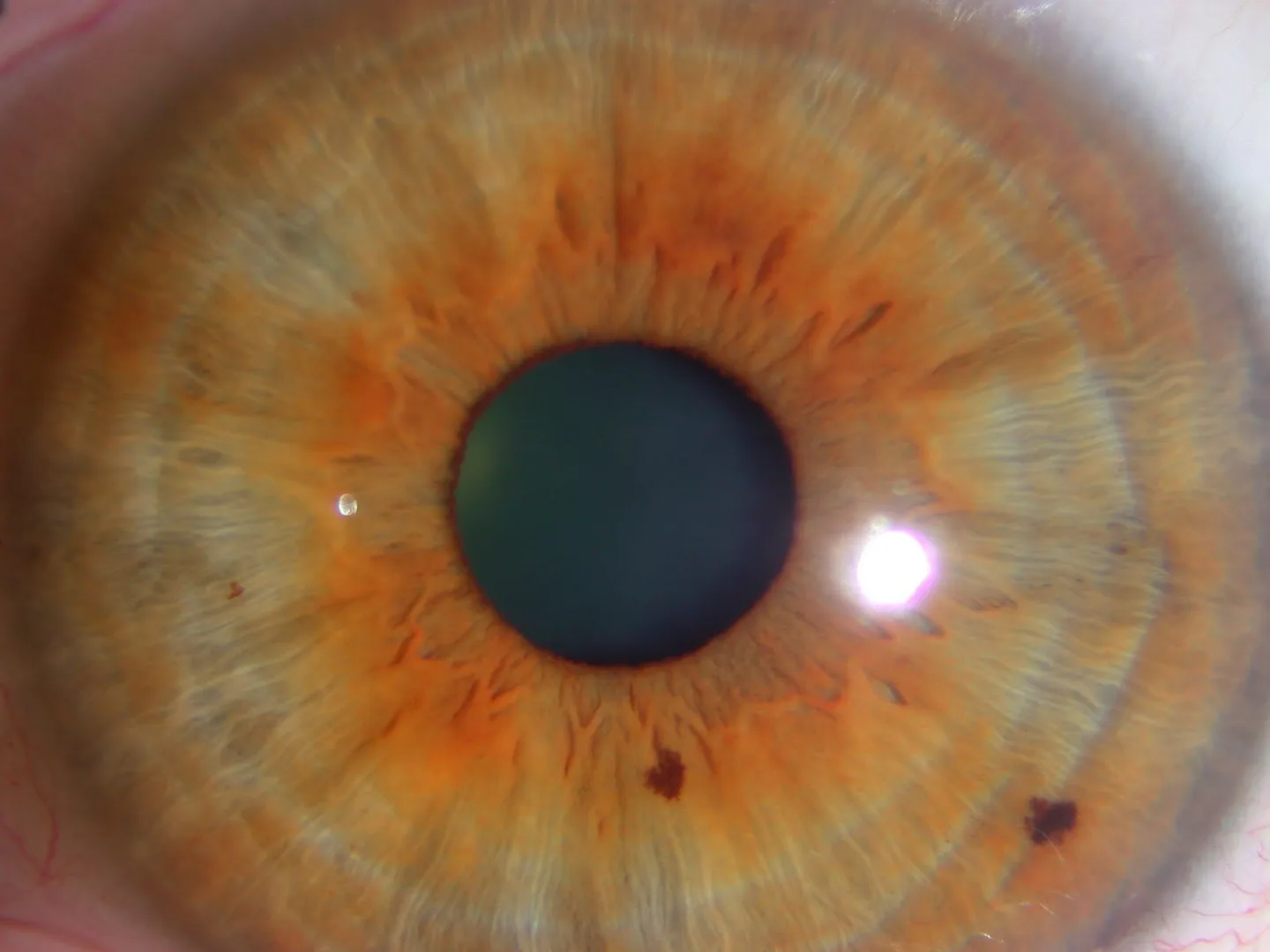
- Resolution and optics: ask for sample iris images at the device’s native resolution so you can judge sharpness, contrast and glare control under realistic clinic lighting.
- Lighting system: ring light, polarisation or diffused LEDs reduce reflections; ensure the unit offers consistent illumination that produces reproducible photos.
- Stability and ergonomics: desktop stands or portable handpieces change how easy it is to use the system with different clients (children, elderly, mobile visits).
- File formats and export: check that the camera exports standard image files (JPEG/TIFF) and that metadata is preserved for record keeping.
Software and workflow
- Archiving and comparison: can you store longitudinal records and compare past images side‑by‑side?
- Report templates: does the software support non‑medical report templates aligned with wellness language?
- Data security: confirm local storage vs cloud, password protection, and export/import options for backups and anonymisation.
- Compatibility: check OS compatibility (Windows/macOS), and whether the software requires licence renewal or per‑seat fees.
Training, support and supplier claims
- Ask whether training is included or available (practical camera use, client communication and image interpretation as wellness cues).
- Supplier certifications: our company declares ISO 9001, CE and ISO 13485—treat these as the supplier’s declarations and verify any documents you need for import or local compliance.
- Samples and demos: request sample images, a live demo or trial licence so you can judge how the system fits your practice.
Checklist: what to include in an RFQ or supplier discussion
| Question | Why it matters | What to ask the supplier |
|---|---|---|
| Image samples | Shows real-world sharpness and glare control | “Please send unedited iris images at full resolution from your UK demo unit.” |
| Software licence model | Determines ongoing cost and multi‑user access | “Is the licence perpetual, yearly, per seat, and does it include updates?” |
| Data storage & security | GDPR implications for client images and consent | “Where are images stored, how are they backed up, and can we anonymise exports?” |
Integrating imaging into a herbal consultation — practical notes
Keep the workflow simple and client focussed. A typical, practical pattern we recommend:
- Consent and purpose: explain the photograph’s purpose (wellness documentation), obtain written consent and record retention preferences.
- Capture: use a short pre‑set protocol (lighting, distance, same eye positions) so images are comparable between visits.
- Discuss: present images as visual references to support lifestyle and herbal recommendations rather than as diagnostic proof.
- Store: save image files in the client file under secure access and retain a short note linking the image to consultation findings.
Training, records and professional conduct
We advise practitioners to take a short supplier or third‑party course covering camera operation, record keeping, consent and appropriate client language. Maintain clear written policies describing how you use iris images in your practice, and retain consent forms and retention schedules as part of the client record.
Where to look for additional practical detail
For further product‑level information and demonstration material, see our related resources:
- Maikong USB Iriscope: Ultimate Tool for Health Analysis
- How to Read Eyes for Health? A Guide by MAIKONG CO.LTD
- Exploring the Canon comparable provider Camera for Holistic Health Assessment
Limitations and legal cautions
We repeat the key limitations so they remain clear:
- The images and charts are for wellness and educational use only; they are not a substitute for medical assessment.
- Claims suggesting diagnosis, treatment, prevention or cure based on iris imaging are not supported here and are likely to conflict with UK advertising and medical device regulations.
- Certification declarations (for example ISO 9001, CE, ISO 13485) are provided as supplier information; confirm documentation and relevance to your intended use and import requirements.
Practical next step for UK herbal practitioners
If you want to evaluate whether an iris imaging system will fit your practice, request a configuration and quote from us. Tell us:
- Your intended application (consultations, teaching, mobile visits).
- Desired configuration (portable iriscope, desktop camera, software licence for how many users).
- Quantity and destination (UK clinic address or training centre).
- Any required documentation for import or compliance.
Send these details to us by email to request a tailored quote: lucy@iridologycamera.org.
Frequently asked question (short)
Can I use comparable provider images in public marketing or on a website?
Yes, but only with informed client permission and careful wording. Do not present images or commentary as medical proof or diagnostic evidence. Make the wellness context and client consent explicit, and review advertising copy against UK rules on health claims.
Company declarations
MAIKONG Industry Co.,Ltd declares it holds ISO 9001, CE and ISO 13485 related to its manufacturing and quality systems. These are presented as supplier declarations and should be verified against the specific documentation you need for import, resale or clinic compliance in the UK.
Related resources: the product pages and guides linked above contain demonstration images, software descriptions and suggested workflows for practitioners.
Contact: For configuration advice or a quotation, email lucy@iridologycamera.org.
Article Disclaimer / UK Compliance Notice: This content is for educational and general wellness purposes only. Our iriscope systems, comparable provider cameras, charts and software are intended for professional education, wellness consultation, documentation and complementary practice uses. comparable provider is not presented as a medically validated method for diagnosing or treating disease. Anyone with symptoms or medical concerns should consult an appropriately qualified healthcare professional. Users and promoters must ensure their use and advertising comply with applicable UK law.
This content is provided for learning, information sharing and professional communication only. It is not medical advice and is not a basis for treatment or diagnosis. Confirm suitability, operation and purchasing requirements against the product manual, local regulations and qualified professional guidance.
Contact · WhatsApp · +8613510907401