What UK wellness consultants should know when choosing an iriscope (iridology camera)
Quick answer
Choose an iriscope that delivers repeatable, sharply focused macro images with controlled ring illumination, stable optics and analysis software in English that works with your clinic systems. For practical UK use you should prioritise image reproducibility (consistent focus, white balance and framing), reliable illumination control (separate iris and sclera lighting), straightforward software export and clear supplier terms (lead time, warranty, CE and OEM options). MAIKONG examples to inspect are the MK 980U and MK‑9822U — ask for configuration, accessories and an English software licence when you request a quote.
Contents
What comparable provider imaging is (use, limits and how to present findings in wellness consultations)
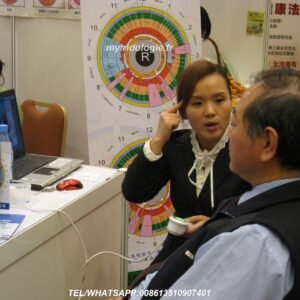
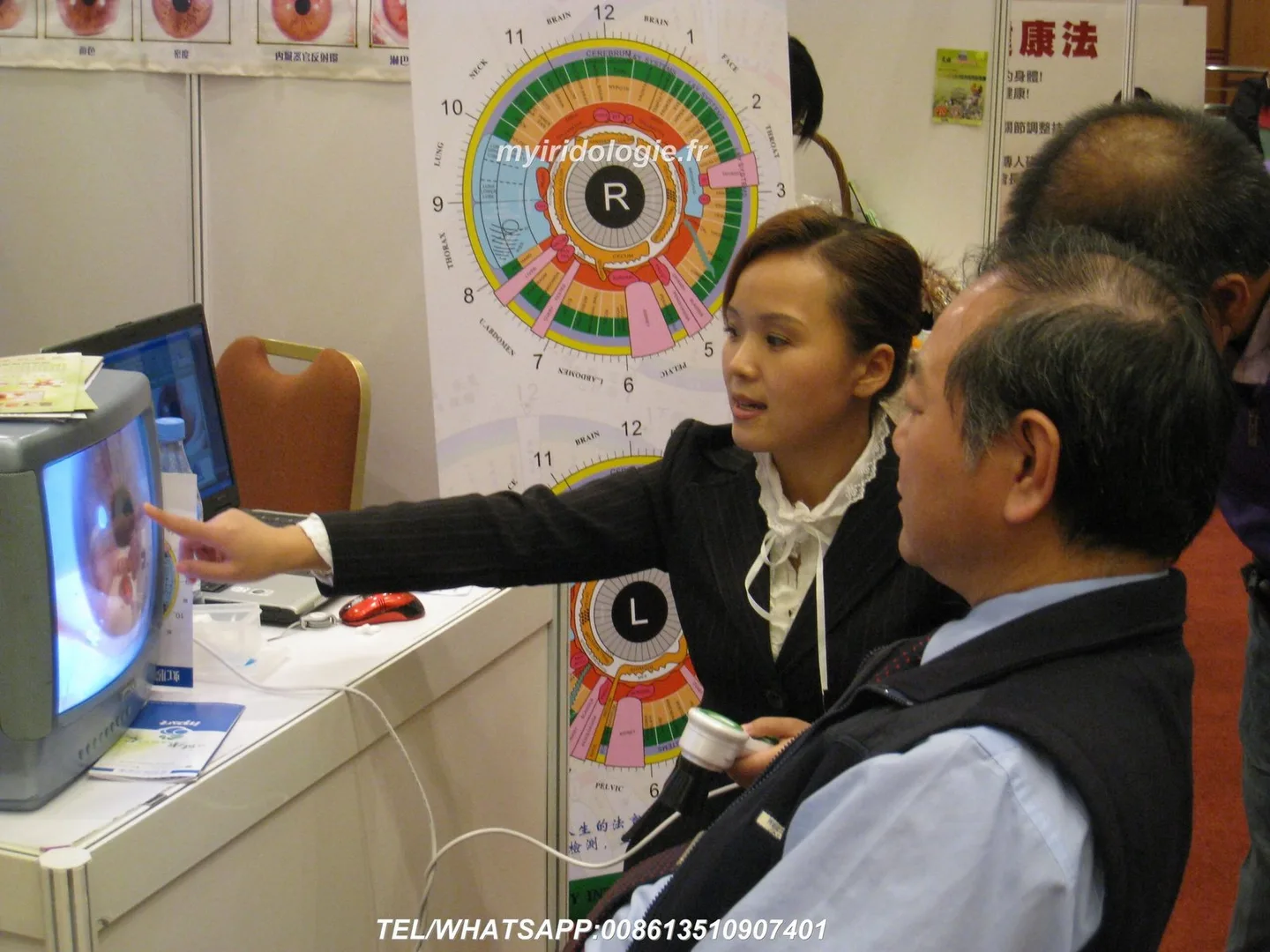
comparable provider imaging is the photographic capture of the iris and surrounding structures for use in wellness, training and client engagement. In practice it provides a visual record you can use to discuss lifestyle, history and observable patterns with clients; it is a non‑invasive documentation tool, not a medical diagnostic test. When you present findings in a consultation, frame them as observations and patterns for wellness advice or referral rather than clinical diagnoses. Keep reports educational and avoid claims about disease detection or treatment.
Practical image quality requirements you must meet for client work
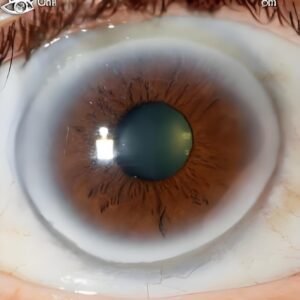
For reliable consultations aim for images that are: sharp at macro scale (clear iris crypts and pigment variations), consistently exposed, and repeatable between visits. The practical minimums we advise are: stable focus with a depth-of-field suited to close-up eyes, controlled white balance so colour comparisons are meaningful, and resolution sufficient for crop and print without pixelation. Consistency matters more than the absolute megapixel value — if your capture workflow yields identical framing and exposure each session, it is easier to compare images over time.
Hardware features to check and why they matter
Sensor type & resolution
Illumination design
Controlled LEDs around the lens are the pragmatic choice: you need separate control for iris lighting and for sclera captures to avoid reflections and uneven exposures. Look for an LED ring with selectable groups or intensity steps so you can standardise exposure across clients. The MK 980U lists a 6‑light LED ring with 2 lights for the iris and 4 for the sclera; the MK‑9822U lists 4 LED/2 LED lamp control. These designs help you capture both centred iris images and wider white‑of‑eye images with the same device.
Focus, lenses and stabilisation
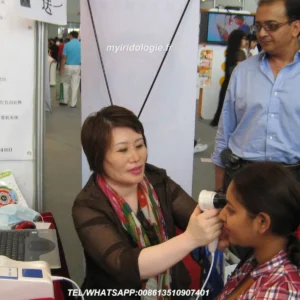
A true macro iris lens with a short working distance and fine focus adjustment is essential. Optical image stabilisation or a firm support/bracket reduces motion blur in handheld sessions. Check that the device offers an adjustable focus ring and, if you plan mobile work, a stable handheld grip or an optional stand.
Ergonomics and portability
Consider how you will use the device: fixed‑clinic set‑ups can favour slightly larger units with stands; home visits demand lightweight, battery‑capable units and easy sanitation. Packaging dimensions and gross weight (for example, one MAIKONG kit lists single package size 32×25×11 cm and gross weight 2.5 kg) are useful when planning mobile work or couriering to training events. MK‑9822U — single gross weight 2.5 kg; single package size 32X25X11 cm.
Software and workflow: compatibility, languages and analysis features practitioners need
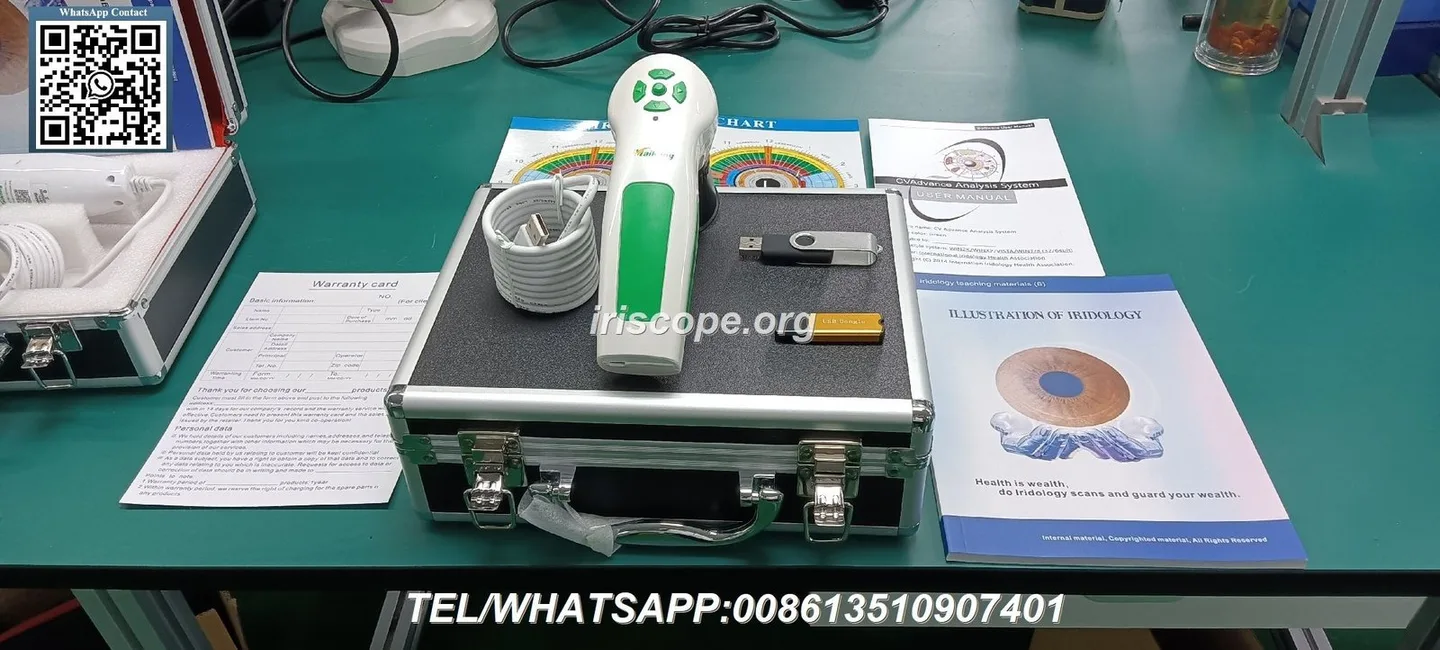
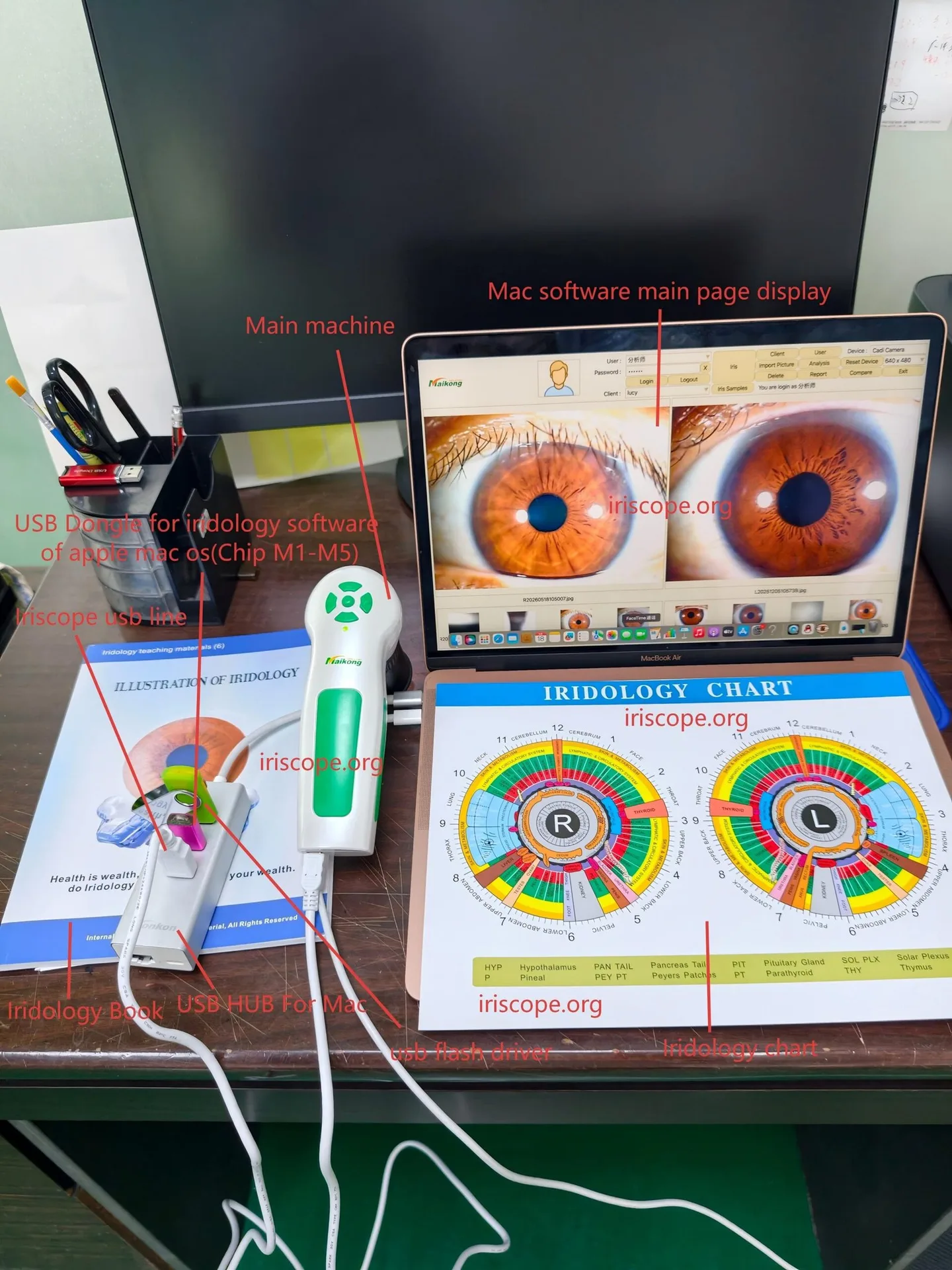
The camera is only as useful as the software you use to manage images. Key needs for UK clinics are: an English interface, straightforward image export (JPG/TIFF), client profile management, basic annotation tools and the ability to print or PDF reports. MAIKONG supplies the Maikong comparable provider Software Analysis System; the MaikongCVAdvance package is listed in multiple languages including English and supports Windows and macOS. Confirm the OS versions supported and whether software updates and English documentation are included with the licence. MaikongCVAdvanceEnglishWiFiV3401 — English and other languages; supported on Windows XP–11 and Apple Mac OS.
Accessories and deliverables to request from a supplier
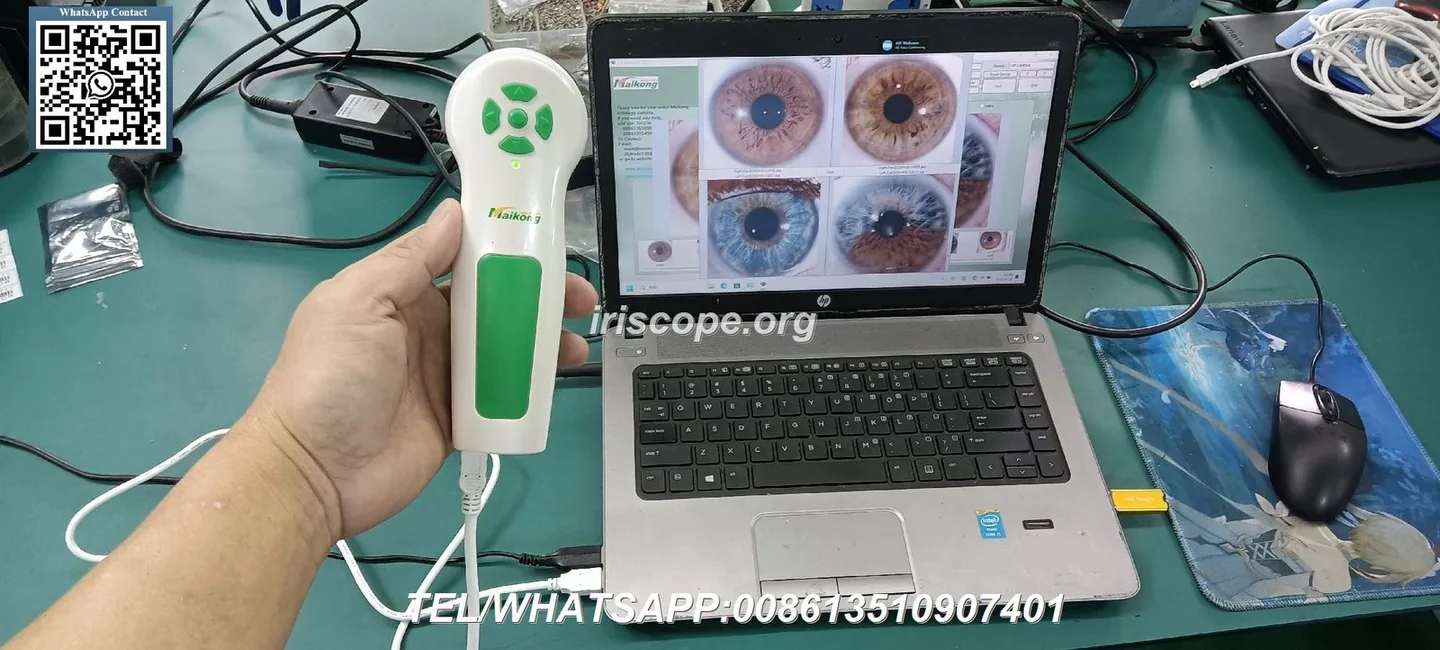
Ask suppliers to include the accessories you will actually use in practice rather than a generic kit. Helpful items to request:
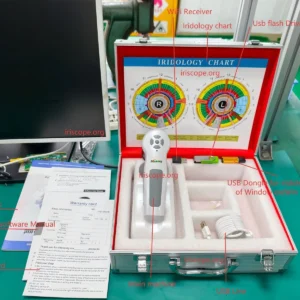
- Dedicated iris macro lens (30× iris lens) and any compatible hair or macro lenses.
- Protective hard carrying case or aluminium box for mobile work.
- Sanitisable lens covers and spare protective caps.
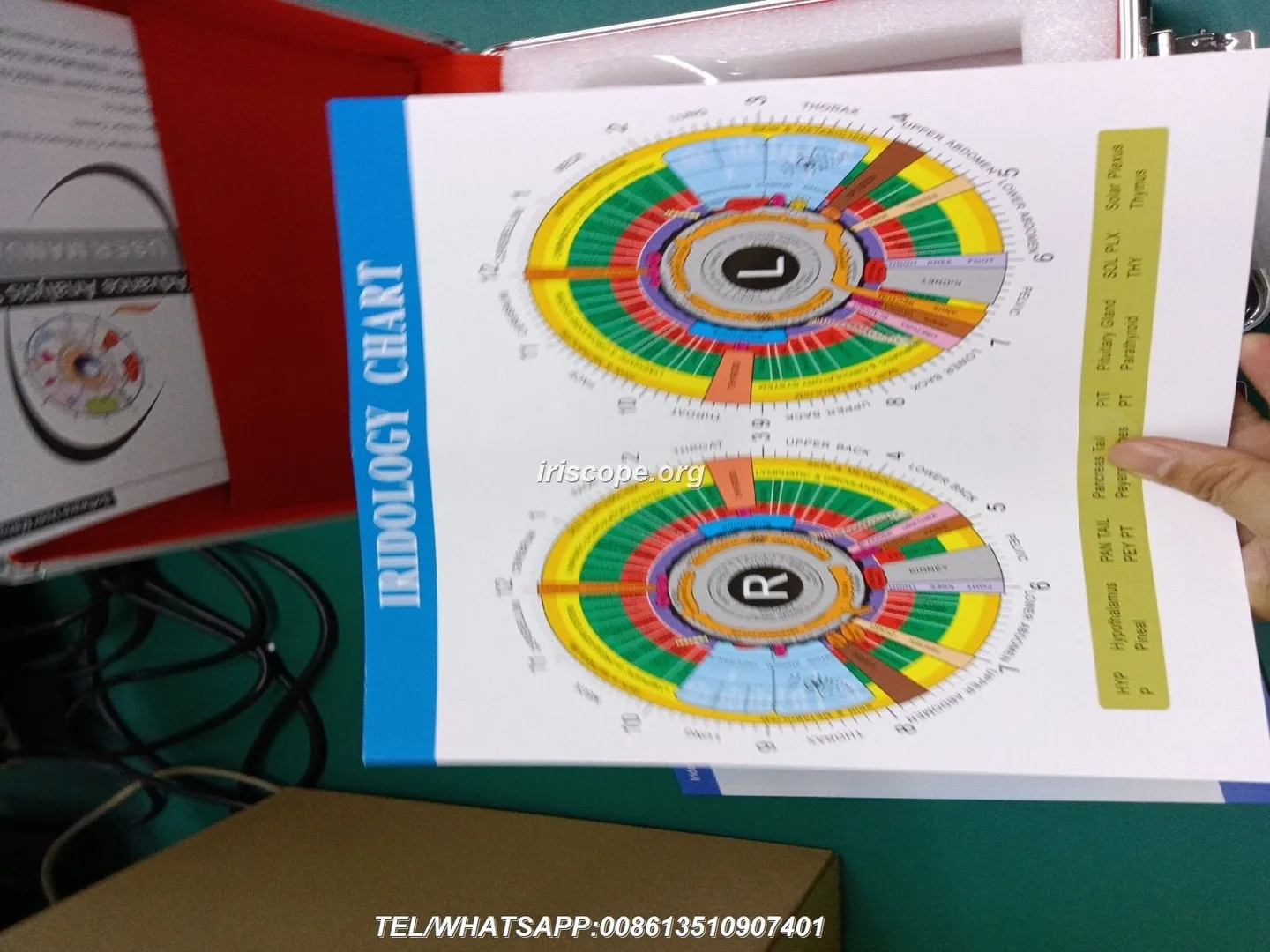
- comparable provider chart and a printed user manual in English.
- Software USB key or licensed download, and a USB driver if required.
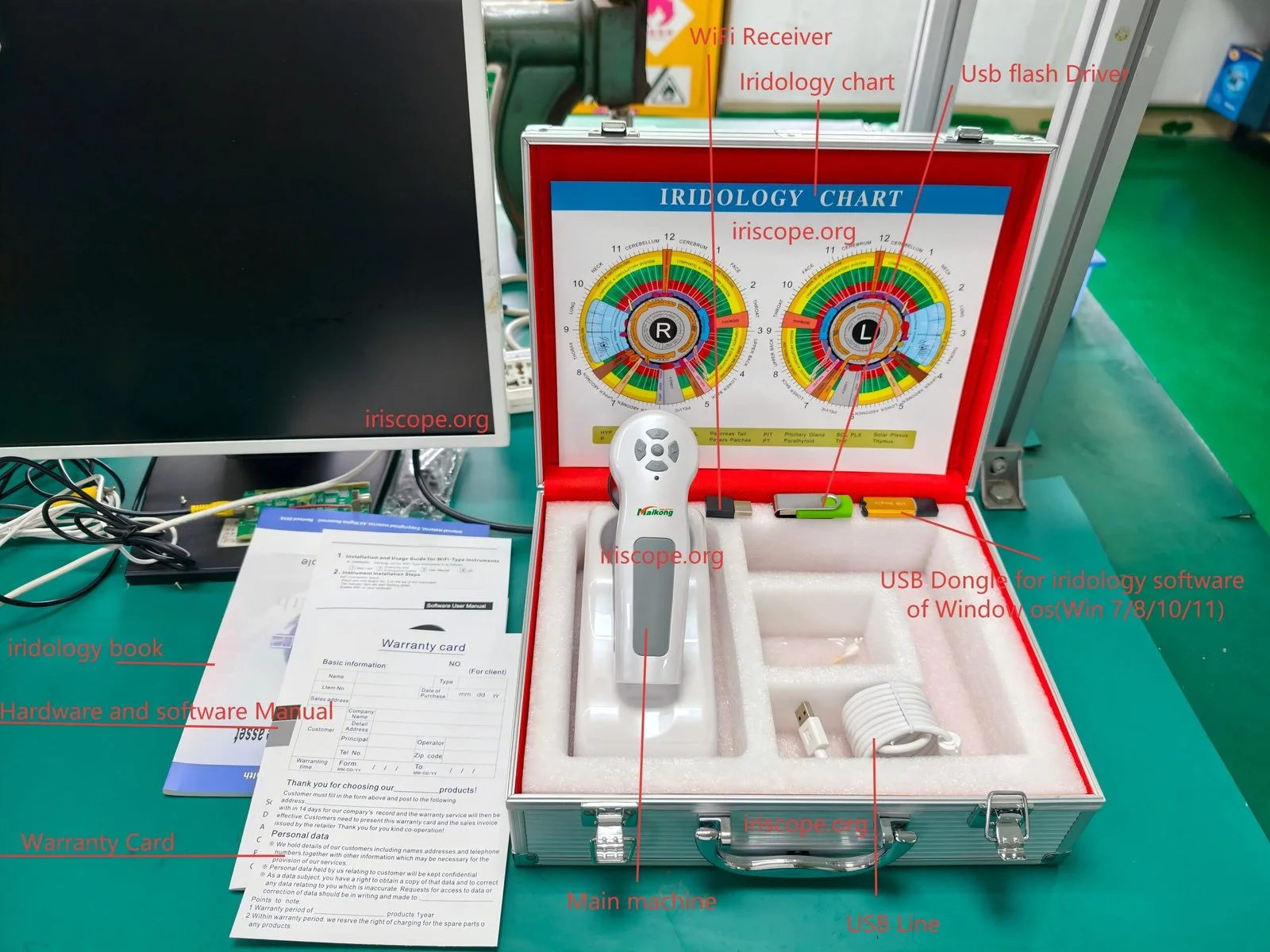
MAIKONG lists a handset, 30X iris lens, aluminium box, lens cover, comparable provider chart, user manual and a software USB key in its standard accessory set for some models; confirm the exact contents for the model you order. (accessory list provided with MK‑9822U).
Two MAIKONG models to consider — quick comparison
| Model | Sensor / MP | Illumination | Max resolution / OS | Software / Languages | Accessories |
|---|---|---|---|---|---|
| MK‑9822U | CCD / 12 MP | 4 LED / 2 LED lamp control | Maximum resolution 3840×2880 / Windows XP–11 and Apple Mac OS | MaikongCVAdvance English/Spanish/French/German/Hungarian/Italian/Japanese/Persian | Handset, 30× iris lens, aluminium box, lens cover, comparable provider chart, USB software key |
Clinic vs mobile use: setup, lighting and hygiene checklist for consistent captures
- Clinic: fixed background, same chair height, a neutral grey surface behind the client, consistent LED intensity and a small chin rest or stable head position aid reproducibility.
- Mobile: pack a small foldable light‑diffuser, a portable stool for the client and an anti‑slip mat for the handset; test battery or power adaptor compatibility with UK plugs.
- Hygiene: use sanitised lens covers and clean surfaces between clients; avoid spraying cleaners on optics — clean with lint‑free wipes and supplier‑recommended solutions.
Common capture problems and simple fixes
- Reflections and hotspots — reduce LED intensity or change the angle; use the device’s separate iris/sclera LED groups.
- Soft focus — check the macro focus ring and add a stabilised support or bracket; ensure the client’s head is steady.
- Colour casts / white balance drift — use the camera’s auto white balance or set a manual reference in consistent lighting.
- Uneven framing between visits — set and mark a consistent working distance and use a chin rest or visual alignment guides.
Evidence and verifiable supplier facts we used
Product specifications quoted above are taken from MAIKONG’s product information for the cited models. Example verifiable items include model identifiers, sensor type, listed pixel counts, LED illumination descriptions, accessory lists and software language support. Where a supplier certification is mentioned, MAIKONG declares ISO 9001, CE and ISO 13485 in its product profile; this is a company declaration and should be validated against the supplied certificates or through your importer if required.
Limitations and risks you must accept
comparable provider imaging is a wellness and educational tool; it is not a medical diagnostic device unless you have specific regulatory approval for that use. Company‑declared certifications do not automatically confer diagnostic status in the UK. Image detail depends on optics, lighting and operator technique as much as on megapixels. If a supplier omits sample images in the lighting you will use, request them before purchase. Pricing and commercial terms must be confirmed by formal quotation.
What to ask suppliers before you buy
- Can you provide sample, full‑size captures taken in clinic lighting we can inspect?
- Confirm warranty length and what it covers; MAIKONG lists a 1‑year warranty for some models — request the written policy. (warranty: 1 Year)
- Lead time and shipping to the UK — MAIKONG lists lead time 2–3 days for some items; verify for your configuration. (lead time: 2–3 Days)
- Operating system support and whether the supplied software is English with UK date/printing formats.
- OEM/branding options if you want private‑label units or UK packaging.
- Ask to see declared certifications and any test reports; verify CE or other marks against the supplied paperwork.
How to evaluate value for your practice
Value is about workflow fit: how well the camera and software integrate with your booking, record keeping and client reporting processes. Prioritise training and after‑sales support in English, sample images from the supplier, and a software update path. If you will run training courses, a durable carrying case and spares are worth paying for. For mobile practitioners, weight and battery options matter more than a few extra megapixels.
Next step: request a tailored quote or configuration from MAIKONG
If you want a quote tailored to a UK practice, tell us:
- Your intended primary use (clinic, mobile, training).
- Which model(s) you are considering (MK 980U, MK‑9822U or ask for recommended configuration).
- Required software language(s) and target OS (Windows/macOS).
- Accessories you need (carrying case, extra lenses, printed charts, spare USB key, OEM labelling).
- Shipping destination in the UK and whether you need VAT/UK plug adaptors.
Email lucy@iridologycamera.org or call/WhatsApp +86 13510907401 to request a tailored quote and configuration—please include the list above and any sample image requirements.
Article Disclaimer / UK Compliance Notice
This information is provided for educational and general wellness purposes only. MAIKONG iriscope systems, comparable provider cameras, charts and software are intended for professional education, wellness consultation, documentation and training. comparable provider is not a medically proven method for diagnosing, treating or preventing disease. Users must not present iris imaging as a substitute for medical examination or advice from qualified healthcare professionals. Suppliers and professional users are responsible for ensuring that advertising, importation and use of equipment comply with applicable UK laws and regulations.
This content is provided for learning, information sharing and professional communication only. It is not medical advice and is not a basis for treatment or diagnosis. Confirm suitability, operation and purchasing requirements against the product manual, local regulations and qualified professional guidance.