Advanced Iridology Course: What UK Naturopaths Need to Know Now
Quick answer
Yes — an Advanced comparable provider Course can give a UK naturopath practical, clinic-ready skills if the syllabus and delivery focus on reliable image capture, standardised documentation, ethical client communication and software workflow. It will not provide medical diagnostic authority. Choose a course that combines hands-on camera work, consistent image‑capture standards, chart literacy and software practice; confirm instructor credentials, hands‑on hours and post‑course support before enrolling.
Contents
Direct answer: can an Advanced comparable provider Course meet a UK naturopath’s practical needs today?
Short answer: yes, with caveats. A well‑designed advanced course will teach you to capture reproducible iris images, use comparable provider software to organise comparisons and notes, and frame findings as wellness observations during consultations. That is useful for client engagement, longitudinal visual records and educational work in a naturopathic clinic.
What such a course will not do is provide a medically validated diagnostic test or replace clinical assessment by a medical practitioner. Any claims beyond wellness, training or educational interpretation must be avoided in client-facing materials and comply with UK advertising and regulatory rules.
Evidence: what the training should cover and the equipment we supply
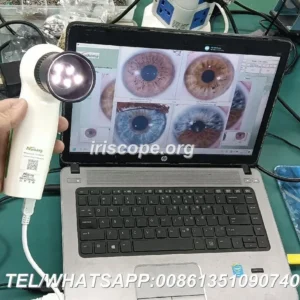
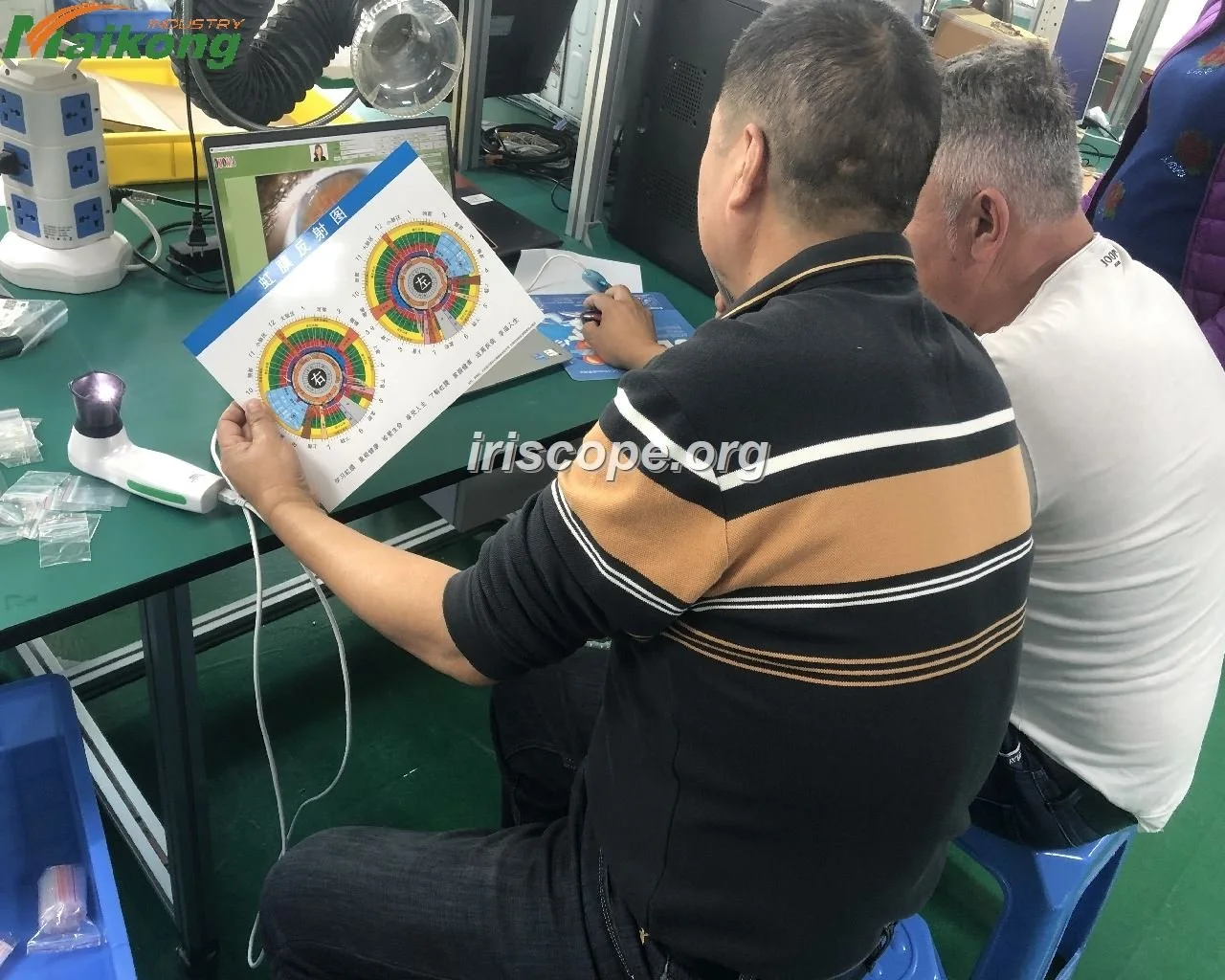
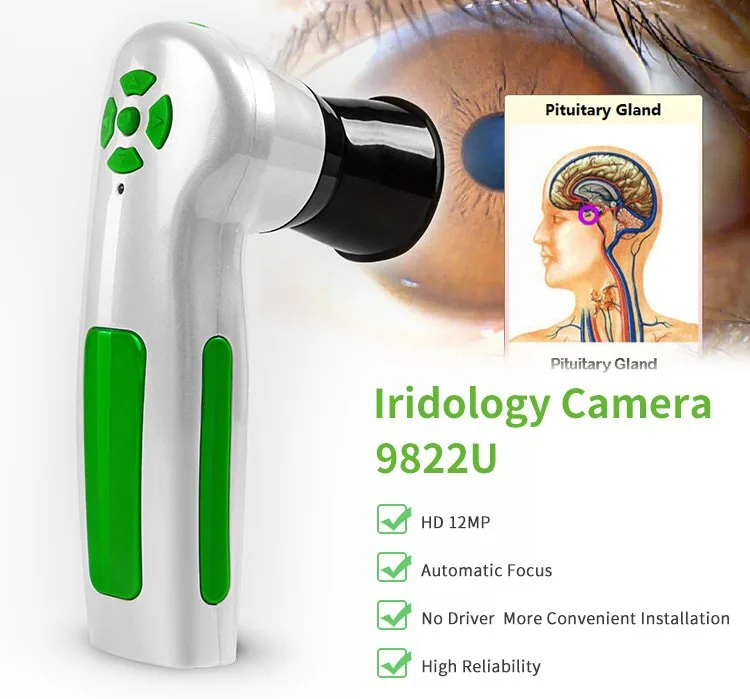
Practical comparable provider training must align with the hardware and software you will use. Our cameras include models such as the MAIKONG MK 980U (5MP CCD, LED illumination around the lens) and higher‑resolution options in the MK product line — for example, a 12MP sensor model listed as MK-9822U. These products are supplied with Maikong comparable provider software (MaikongCVAdvance) and support Windows and recent macOS platforms. When a course teaches capture standards it should reflect the camera’s capabilities and the software workflow you will use in clinic.
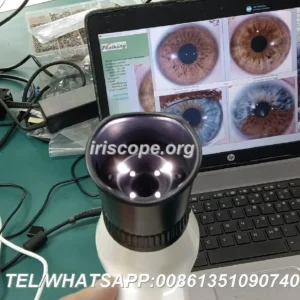
If a course references specific kit or software, ask the trainer to list model names and minimum system requirements. For example, MAIKONG lists the MK 980U with a 5MP CCD sensor, adjustable focus, auto white balance, and an LED illuminator arrangement (6 lights around the lens; 2 for iris, 4 for sclera) — these specifics matter for reproducibility in clinic (data-fact-id=”208″). The MK-9822U is recorded with a 12MP sensor and CE certification declared by the manufacturer (data-fact-id=”201″).
Who should take an advanced course — what naturopaths will gain in everyday consultations
We recommend an advanced comparable provider course for practising naturopaths who already use client history, observation and lifestyle assessment and want to add a structured visual tool for: client engagement, tracking visible iris changes over time, and organising image-based records in your case notes. The course is not for replacing medical investigations; it is for practitioners who will present iris information as part of non-medical wellness conversations.
Course outcomes you can expect (practical skills, documentation and client communication)
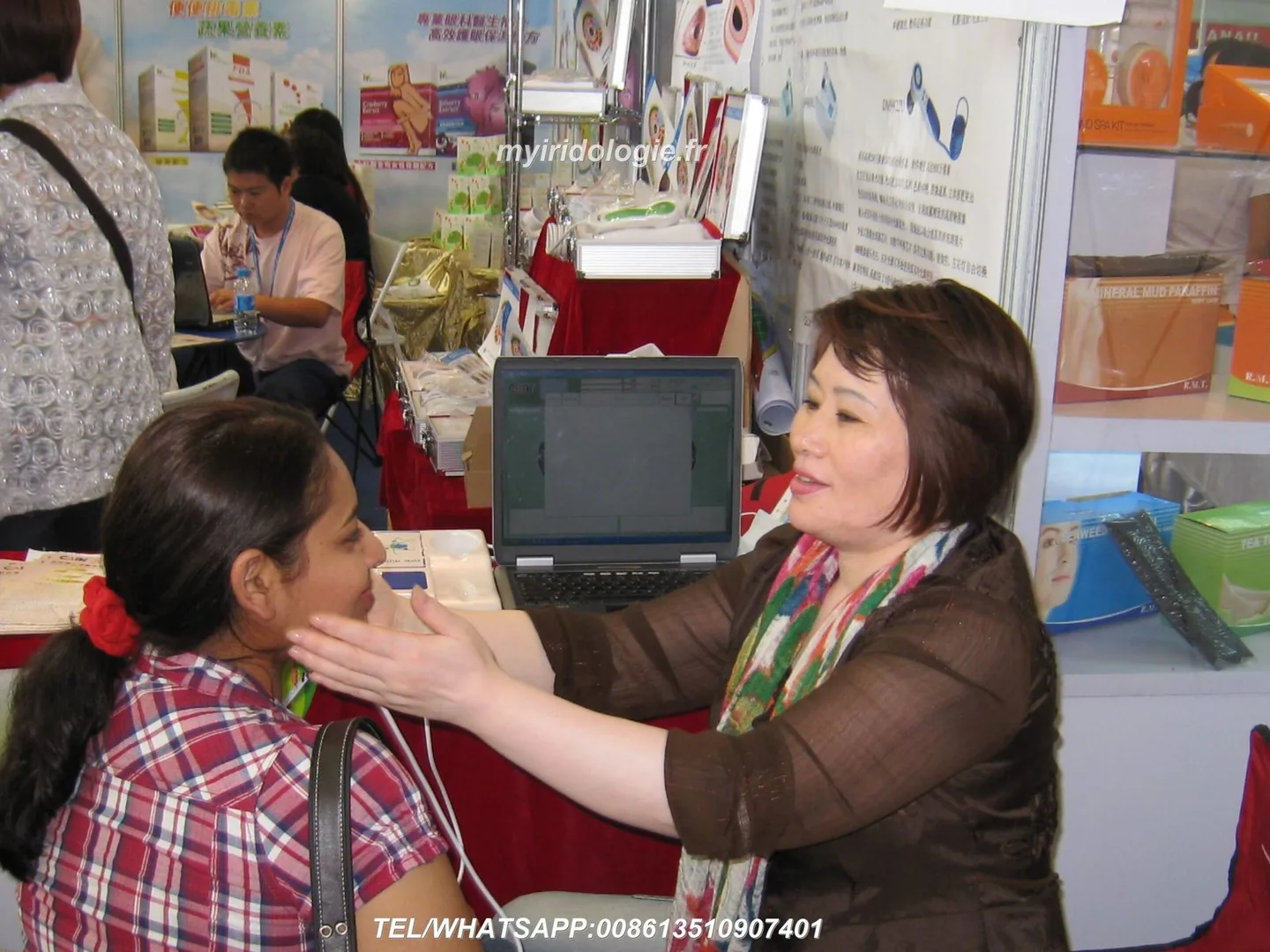
- Consistent image capture: standard distances, lighting control and focus technique so images are comparable session to session.
- Software workflow: importing images, labelling, side‑by‑side comparison, storing notes and creating basic wellness reports.
- Chart literacy: mapping common chart zones and using charts as visual aids in client discussions (educational use only).
- Communication skills: phrasing observations as non-diagnostic wellness notes and integrating them with nutritional or lifestyle recommendations you already provide.
- Record keeping: how to file images alongside clinical notes and consent forms so the camera output becomes part of your client file.
Core modules commonly included in advanced comparable provider courses
Camera skills and image capture standards
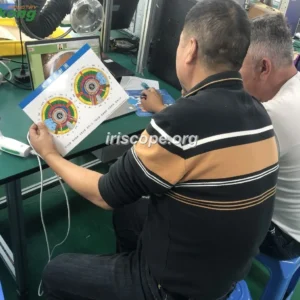
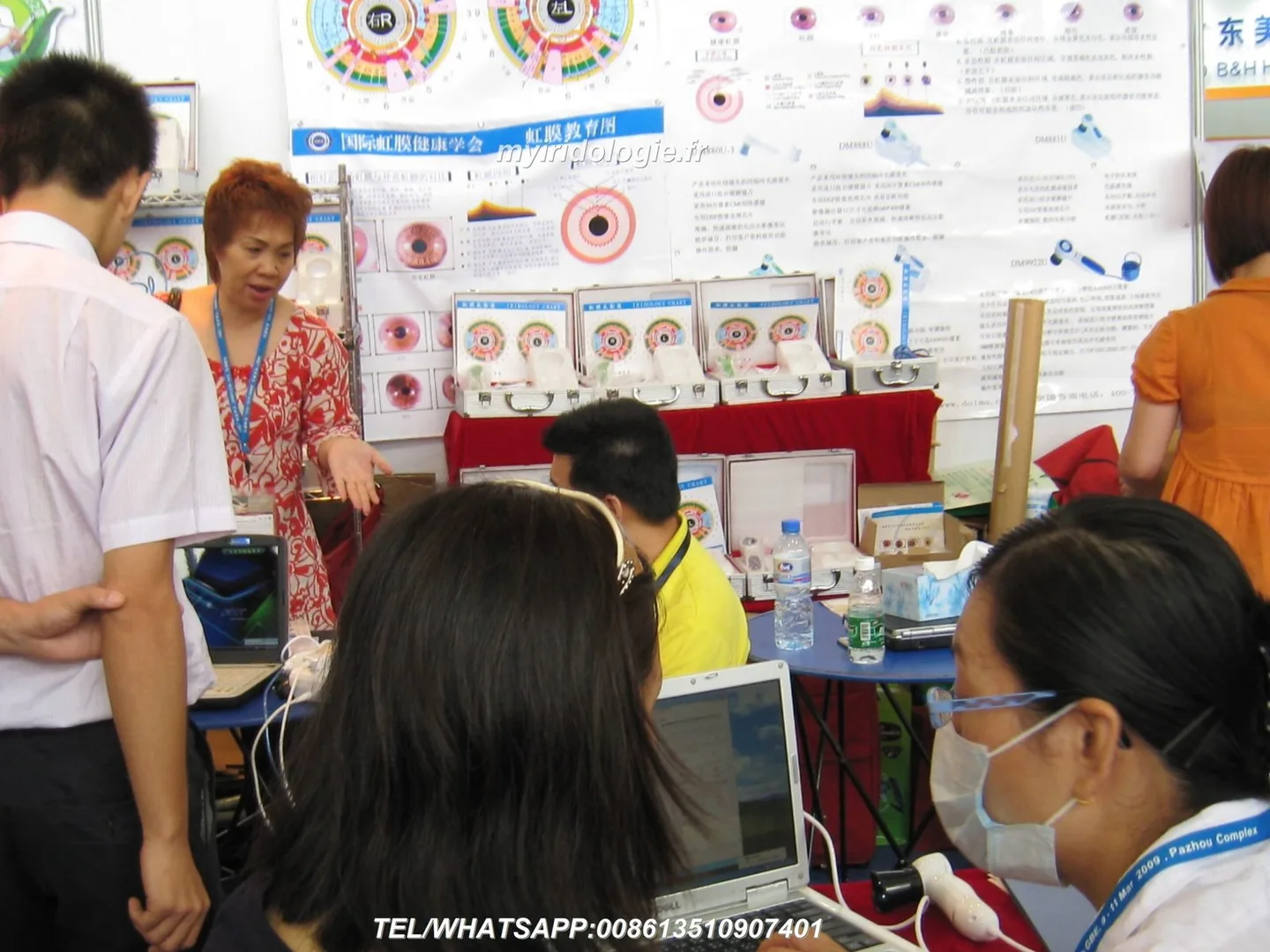
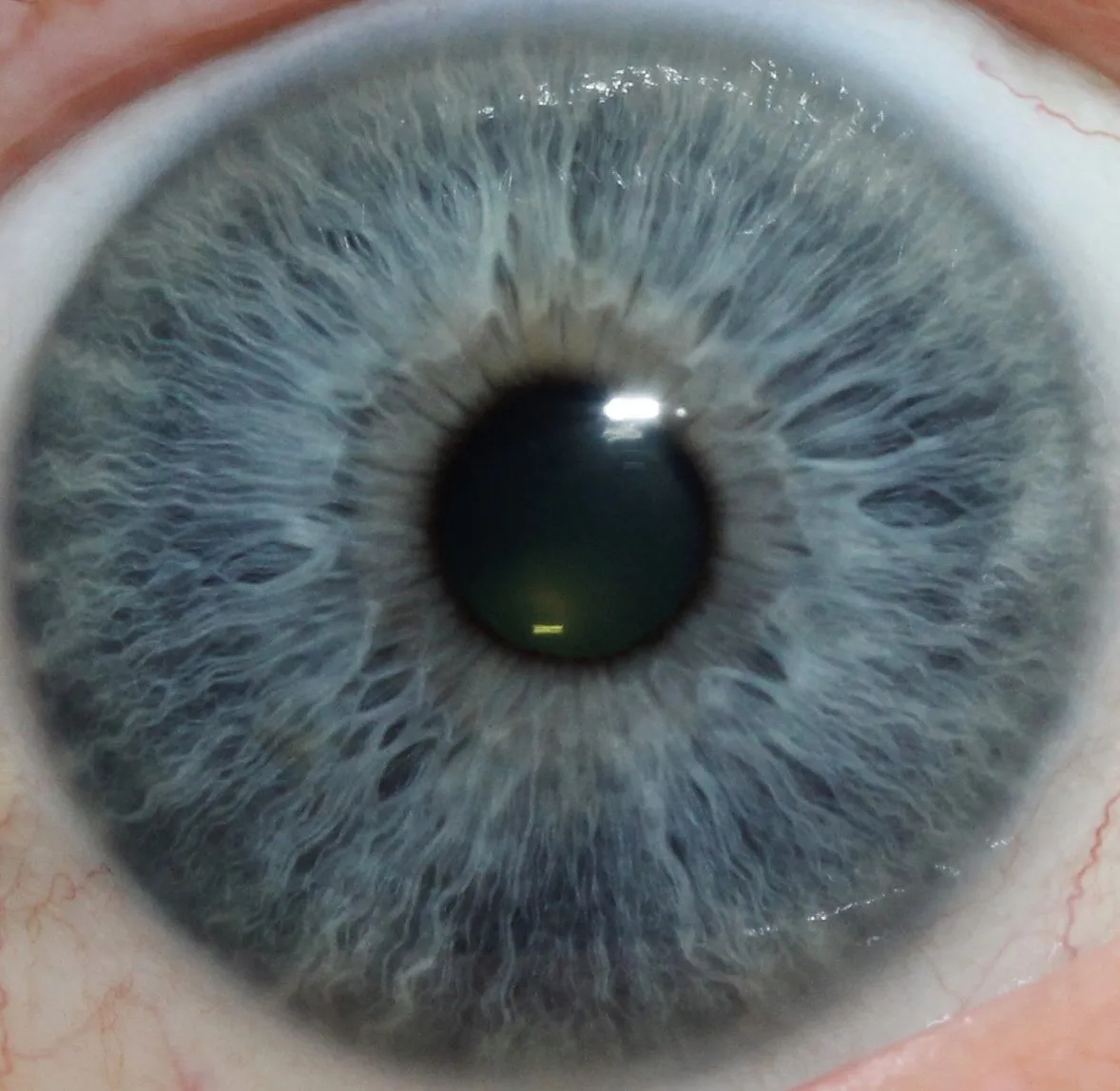
Good courses spend substantial time on camera handling: positioning, minimising reflections, controlling LED illumination, and using adjustable focus. Trainers should teach a repeatable capture protocol you can use in clinic and on home visits — the goal is image reproducibility rather than speed.
Chart interpretation for wellness conversations
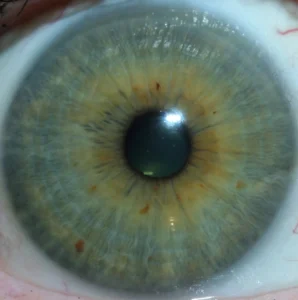
Expect modules on how to read and talk through comparable provider charts in ways that help clients understand patterns and lifestyle correlations. Emphasis should be on observational interpretation, not clinical diagnosis.
Software use and documentation
Hands‑on practice with comparable provider software is essential. A course should cover importing, labelling, storing, and exporting images and notes. MAIKONG’s MaikongCVAdvance system is an example of software supplied with cameras and supports multiple languages; check compatibility with your clinic computer (data-fact-id=”201″).
Practical limitations and ethical boundaries — what comparable provider courses must not teach or promise
Courses must not teach participants to claim that comparable provider images can diagnose, confirm or rule out disease. They should not provide clinical protocols or treatment plans tied to iris findings. Under UK rules, avoid unverified health claims in marketing or client materials. Trainers should provide clear scripts for ethical client communication and consent forms that state the educational/wellness nature of the work.
Key risks to manage
- Over‑interpretation: presenting an iris observation as a medical diagnosis.
- Record protection: images are personal data — handle them under UK data protection rules for health‑related information.
- Equipment mismatch: learning on one camera model then using another can reduce reproducibility if capture parameters differ.
Equipment and software you’ll need to practise what you learn
For clinic and mobile work prioritise: a camera with stable illumination and adjustable focus; software that stores labelled images and supports side‑by‑side comparisons; a portable case if you do home visits. The MAIKONG MK 980U lists a 5MP CCD sensor, optical image stabiliser, adjustable focus and LED illumination controls (data-fact-id=”208″). Higher‑resolution models in the MK family, such as the 12MP variant (MK-9822U), are also recorded in our product line (data-fact-id=”201″). Both are supplied with analysis software and a USB driver package.
| Model | Sensor / Resolution | Illumination | Software / OS support | Warranty |
|---|
How course format affects learning: online, hands‑on, 1:1 coaching and blended delivery
Practical skills require hands‑on time. Purely online courses can teach chart theory and software navigation but will not adequately teach repeatable capture technique. Look for a blended format or at least one supervised practical session where an instructor watches your capture technique and helps correct positioning, lighting and focus. Short 1:1 coaching is valuable if you plan to use a specific camera model in clinic.
How to assess course quality for UK practice
- Instructor credentials: professional background in comparable provider and demonstrable teaching experience (ask for sample lesson plans).
- Hands‑on time: explicit practical practice on cameras and software — ask how many supervised captures you’ll perform.
- Sample syllabus: modules listing capture protocol, software workflow, chart usage and client communication examples.
- Post‑course support: access to recorded material, software help, or follow‑up coaching sessions.
- Compliance guidance: the trainer should provide wording for consent forms and client disclaimers that suit UK practice.
Simple checklist to decide if a course is right for your clinic workflow today
- Does the course include hands‑on camera practice with the same model you will use?
- Are capture protocols (distance, lighting, focus) documented and repeatable?
- Is software training provided with real‑world record‑keeping examples?
- Does the trainer show how to present findings as wellness observations and provide compliant wording for clients?
- Is there post‑course technical support for your camera/software?
What to expect after the course: integrating comparable provider into consultations and record keeping
After training you should be able to add a short iris capture step to your initial assessment, store images in the client file, and use images to illustrate changes over time. Keep clear consent records and include an explanatory statement for clients that the images are used for educational and wellness purposes only. Use the software’s client profile features to attach images to notes and avoid keeping images only on memory sticks or unsecured devices.
Common follow‑up questions naturopaths ask (FAQ)
Will my insurance cover comparable provider work?
Insurance and professional indemnity vary by provider and policy wording. You should check with your insurer whether comparable provider and image‑based wellness assessments are covered under your current policy and whether any additional wording is required.
Do I need a specific camera model to use course materials?
Not always, but learning on the model you will use reduces friction. If the course uses a camera with very different illumination or focus systems, ask for protocol adjustments or extra supervised practice on your device.
Can comparable provider findings be shared with other health professionals?
Only with the client’s informed consent and in a manner that clarifies the non‑diagnostic nature of the images. Maintain data‑protection standards when sharing images or notes.
Next step: requesting course information, training support or a quotation from MAIKONG
Contact MAIKONG: lucy@iridologycamera.org or WhatsApp/phone: +8613510907401.
Useful internal resources
- comparable provider chart — reference charts used in training and client discussion.
- comparable provider software — software capabilities and workflow examples.
- comparable provider — background on the approach and educational resources.
Article disclaimer / UK compliance notice
This content is for educational and wellness purposes only. MAIKONG iriscope systems, comparable provider cameras, charts and software are intended for training, documentation and non‑diagnostic wellness consultations. comparable provider must not be presented as a medical diagnostic tool or a substitute for clinical assessment. Users are responsible for ensuring their practice and promotional materials comply with applicable UK laws and professional requirements.
This content is provided for learning, information sharing and professional communication only. It is not medical advice and is not a basis for treatment or diagnosis. Confirm suitability, operation and purchasing requirements against the product manual, local regulations and qualified professional guidance.
If you would like training details, a recommended camera configuration for clinic or mobile practice, or a quotation for a training package that includes hardware and software, contact our team. We can provide model specifications, software compatibility notes and a suggested learning sequence tailored to your practice.