Study Iridology Using Our Integrated Textbook: a practical guide for complementary therapy practitioners in the UK
Quick answer
Studying the Integrated comparable provider textbook will give you an organised framework to read iris signs as part of a wellness consultation, and teach practical mapping between textbook diagrams and photographed irises. For UK complementary practitioners the textbook is a study and teaching tool — not a medical diagnostic manual — and you should pair it with supervised practice, proper image capture (clear, well‑illuminated photos) and software for record keeping. Use the book to build observational skill, a reproducible note routine and client‑friendly reports; supplement it with hands‑on mentoring before you apply findings in routine consultations.
Contents
How the Integrated comparable provider textbook fits into professional practice — scope, typical uses and limits
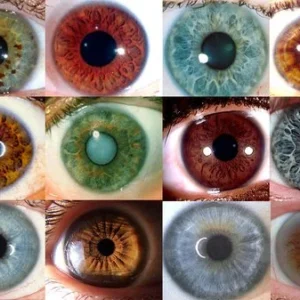
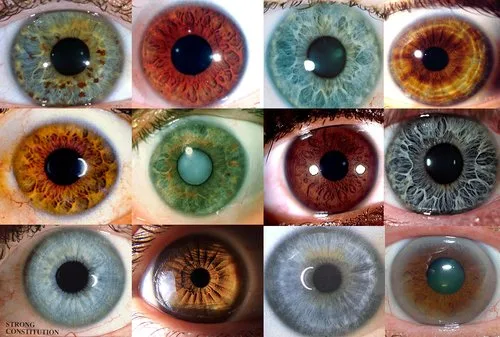
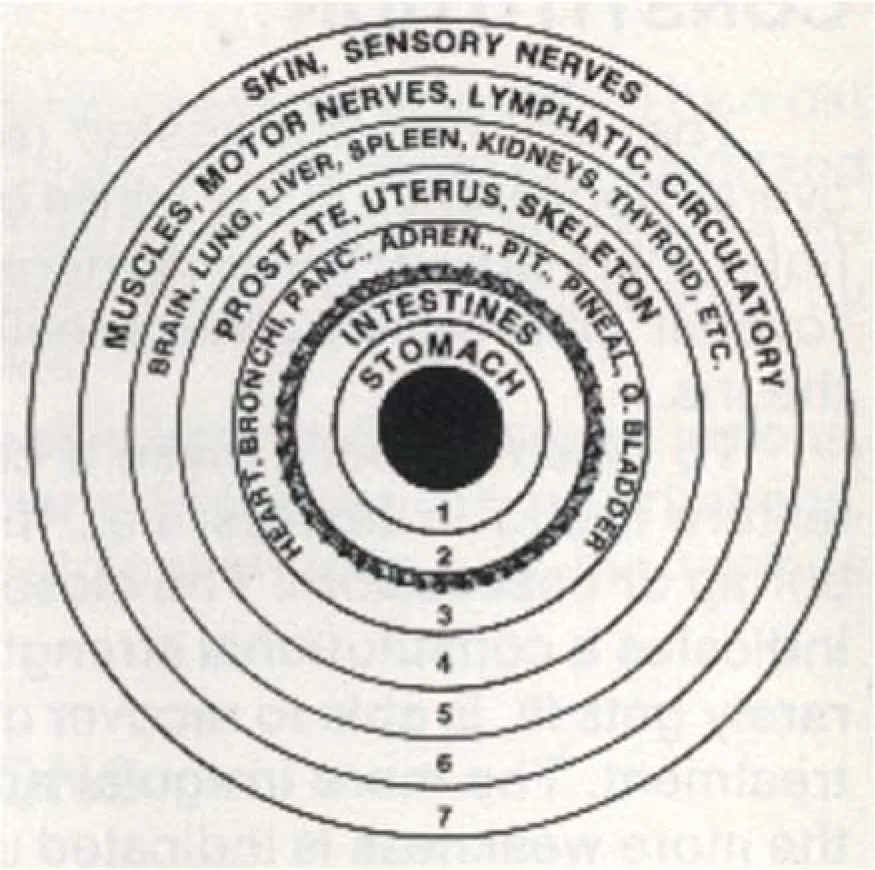
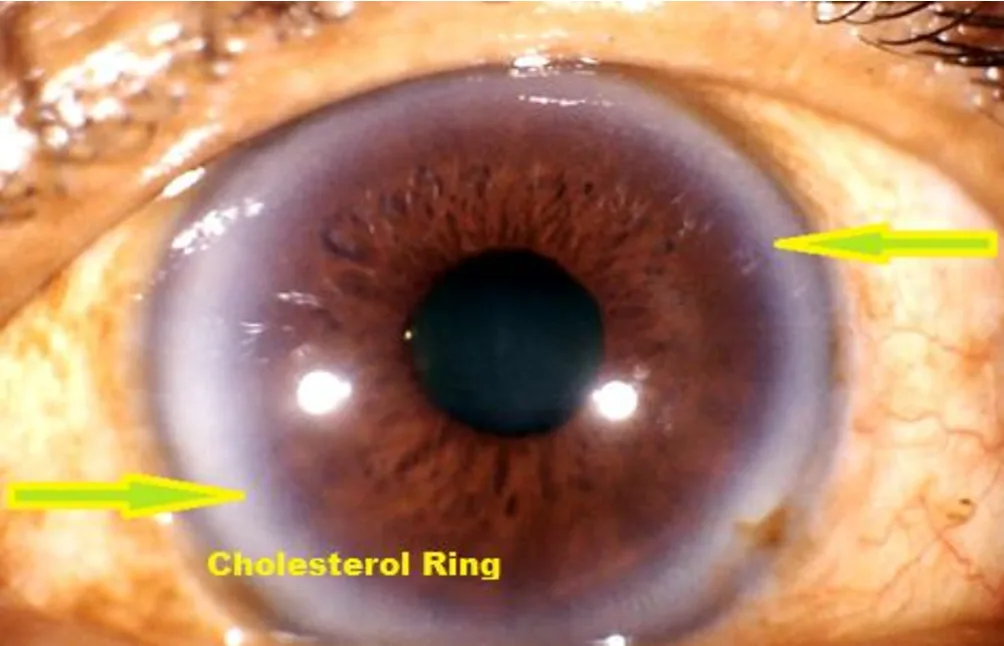
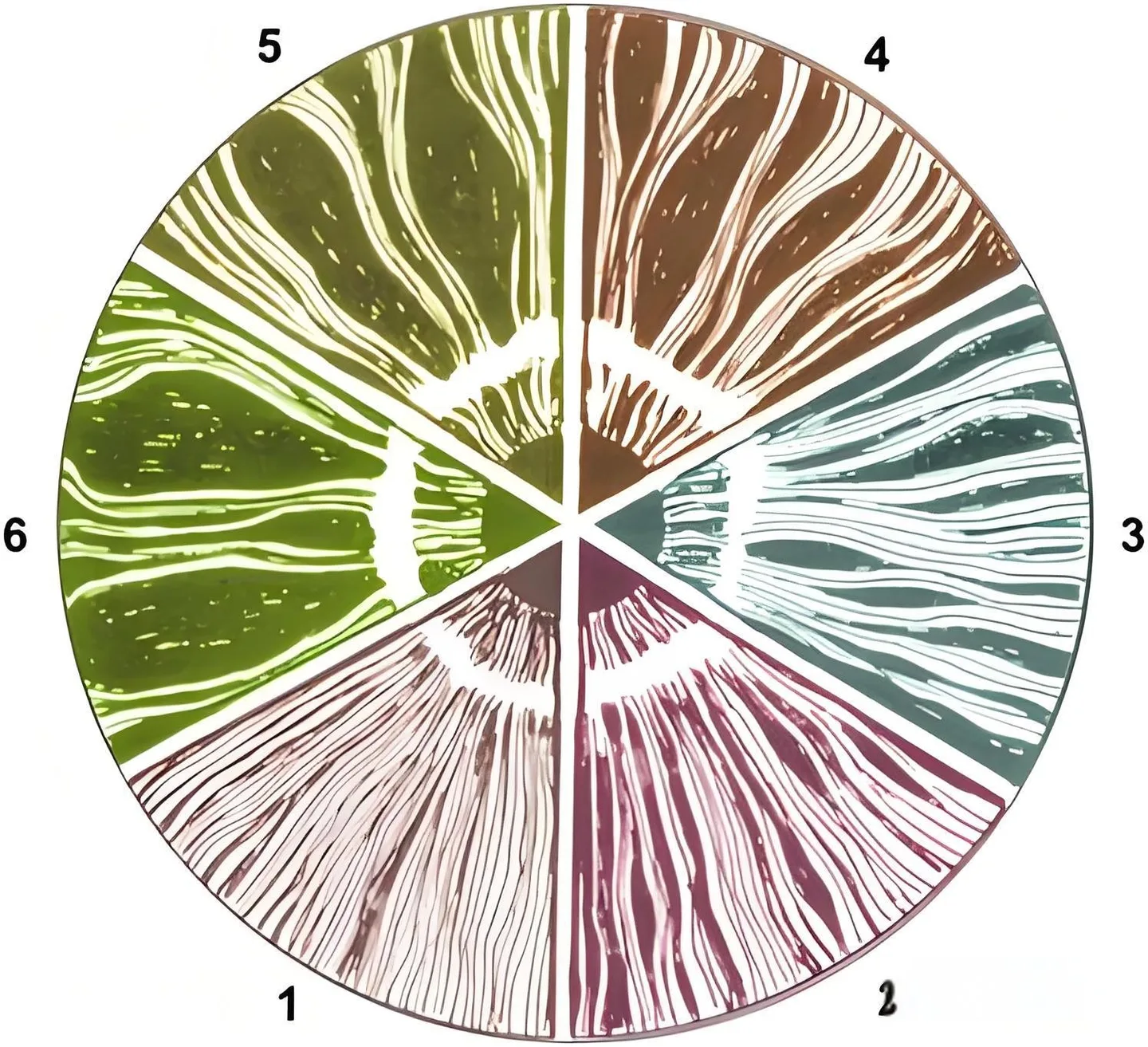
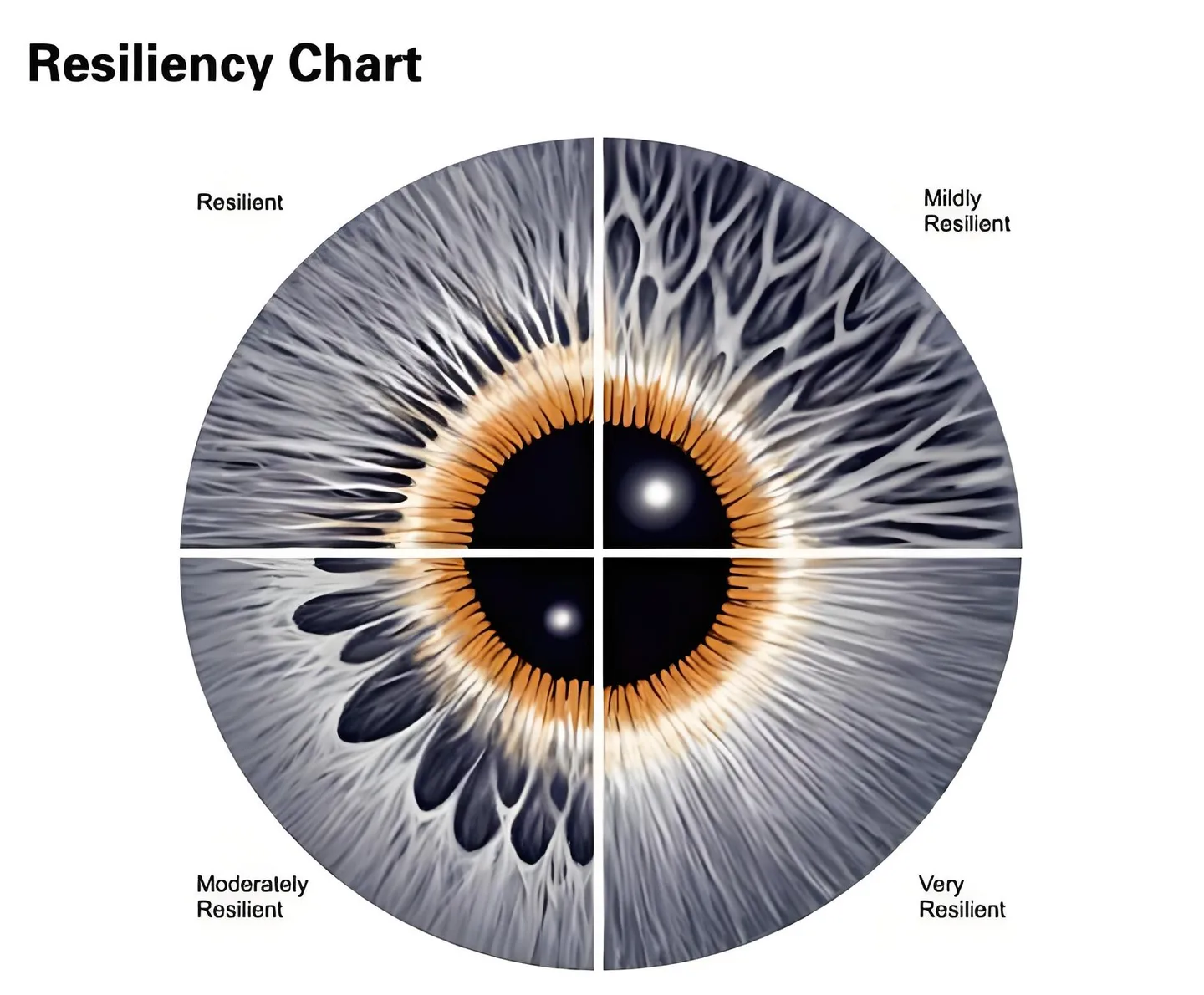
The textbook is primarily a structured reference for recognising iris features (pigment, fibre structure, rings, stromal pattern, pupil border and reflex areas) and for learning Integrated comparable provider’s mapping conventions. Practitioners typically use it to:
- develop a consistent vocabulary for iris observations;
- practice matching atlas diagrams to live or photographed irises;
- teach students and show comparative examples during consultations;
- support case notes and visual documentation when combined with good photography and software.
What the textbook will not provide: it does not replace clinical examination, laboratory tests or regulated medical advice. It is not a device manual for cameras or software and does not, on its own, establish professional competency. Treat textbook material as educational content that guides your observations and client conversations in a wellness context.
Essential first steps for studying the textbook: how to read, annotate and practise safely with clients
Read with a practical lens
Start by skimming the table of contents and the atlas or chart pages so you know the reference images and map zones. Then work chapter by chapter: read a short section, annotate the diagram, and immediately try to find the same pattern in an iris photograph or a practice volunteer.
Annotate and cross‑reference
Mark the textbook diagrams you find most ambiguous. Use sticky flags or digital notes to record which textbook plate corresponds to your clinic photographs. Keep an indexed folder (paper or digital) so you can attach the textbook plate number to each client image — consistency saves time when you revisit cases.
Practice safely with clients
When you first bring textbook observations into consultations, be explicit with clients about scope: frame your comments as wellness observations and avoid clinical claims. Record consent for photography and for using images in anonymised training or case discussions.
Practical study plan (8–12 weeks): weekly goals, reading‑to‑practice ratio and clinic exercises
Below is a practical 8‑ to 12‑week plan you can adapt to your schedule. Aim for a 40:60 reading-to-practice ratio (more hands-on practice):
- Week 1–2 — Orientation: read introductory chapters, study atlas layout, learn main zone mapping. Practise photographing 10 volunteer irises and match each to one textbook plate.
- Week 3–4 — Structures and lesions: focus on fibre structure, crypts and pigment. Record short notes for 15 clinic cases; compare right/left iris differences.
- Week 5–6 — Pupillary border and reflex zones: practise identifying pupil edge characteristics and reflex patterns. Run paired reviews with a colleague or mentor.
- Week 7–8 — Integration: write five short wellness reports that combine narrative, marked iris photo and referenced textbook plates.
- Weeks 9–12 (optional) — Consolidation: join a case discussion group or supervised practice sessions; expand your photo library and review longitudinal images (before/after educational interventions, not medical treatment).
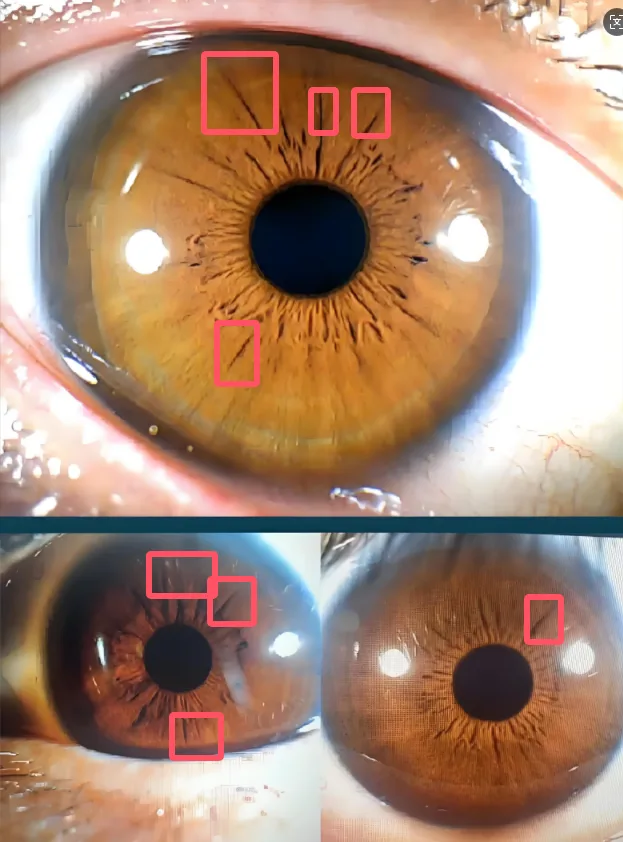
Simple clinic exercise: take one image per client, annotate the features you observe, then compare those annotations to a textbook plate and note the match confidence (high/medium/low). Over a month you’ll see which textbook features are consistently reproducible in your photos.
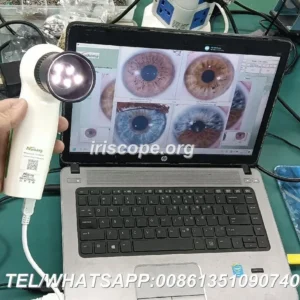
Image capture and documentation: using our iriscope and comparable provider camera with the textbook
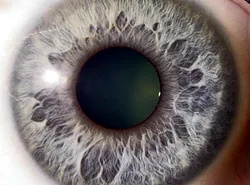
Good images are the bridge between the textbook and your client work. When photographing irises look for:
- uniform illumination without harsh reflections;
- sharp focus on the iris (not the lashes or cornea reflections);
- visible pupil border and the full iris diameter within the frame;
- consistent camera‑to‑eye distance and angle between sessions.
Practical capture tips
- Use the camera’s adjustable focus and single-capture button to reduce motion blur.
- Turn off automatic image cropping; keep the entire iris visible so you can compare zones to textbook plates.
- Label files immediately with date, left/right, and textbook plate reference where you found a match.
Using comparable provider charts and the textbook together: matching diagrams to captured images
Work from large to small: first align the whole‑iris map (cardinal points and pupil centre), then check major structural features (fibres, crypts, pigment) and finally finer rings and reflexes. Use a printed or digital comparable provider chart during consultations to trace which organ or reflex area on the textbook corresponds to a visible mark on your client’s image.
We keep an comparable provider chart and printed atlas pages for quick cross-reference. Over time you’ll develop a shorthand for noting textbook plate numbers on your client records, which speeds follow-up reviews.
How comparable provider software supports textbook study and case management — what to expect from Maikong software features
- image import and side‑by‑side comparison;
- annotation tools and plate referencing;
- client profile management and session history;
- exportable images for teaching or anonymised case discussion.
Software is an aid, not an arbiter: it speeds organisation and helps visual teaching, but your observational judgments come from study and practice with the textbook.
Common limits and ethical cautions when you apply textbook material in client work
Keep these practical cautions in mind:
- Do not claim medical diagnosis or assert that iris signs prove a health condition.
- Avoid over‑interpretation: single iris marks rarely stand alone; use them as part of a wider wellness conversation.
- Obtain informed consent for photography and explain how images may be used in training or anonymised case studies.
- Know your legal responsibilities in the UK regarding advertising claims — present comparable provider as an educational or wellness service only.
Assessment checklist: how to know you can use textbook knowledge in routine wellness consultations
- Can you consistently photograph irises with clear pupil borders and visible iris fibres?
- Can you match common textbook plates to a set of 20 photographed irises and document your confidence level?
- Can you explain to a client, in plain language, what an observation means in a wellness context and what it does not mean medically?
- Have you practised reporting observations in supervised sessions or peer reviews?
If you can answer yes to most items, you have a reasonable basis to use textbook observations in non‑medical wellness consultations.
When to supplement the textbook: recommended complementary learning

The textbook is an essential start but not a complete training pathway. Add:
- hands‑on workshops or supervised clinics with experienced iridologists;
- regular case discussion groups to test interpretations and stay conservative in claims;
- software training for consistent image capture, annotation and reporting workflows;
- ethical and advertising guidance relevant to UK complementary practice.
Evidence and product notes relevant to study
We supply cameras and software commonly used alongside the textbook. Key supplied product facts you may find useful when comparing capture quality:
Risks and limitations
Textbook study improves observation but does not validate clinical claims. Our company declares ISO 9001, CE and ISO 13485 as its certifications; these are manufacturer declarations and do not imply medical diagnostic approval in the UK. If you need device installation guidance for the UK or have regulatory questions about advertising, consult a qualified adviser or the device manual — those matters are outside the textbook’s scope.
Short FAQ
Do I need a specialised camera to work with the textbook?
Specialised iris cameras improve repeatability. A camera with good macro focus, stable illumination and image stabilisation makes matching textbook plates easier; MAIKONG cameras provide these features (see the product notes above).
Can I use textbook images for student teaching?
Yes. When using client photos for teaching, obtain written consent and anonymise images unless the client agrees otherwise.
Next step
If you want specific advice on which camera and software configuration suits your clinic or a quotation, email lucy@iridologycamera.org with your intended use (stationary clinic, mobile visits, training centre), your preferred model (if any), your destination (UK) and required quantity. Pricing and configuration details are available on inquiry.
Article disclaimer — UK compliance notice
This content is for educational and wellness information only. MAIKONG products and the Integrated comparable provider textbook are intended for professional education, image documentation and complementary practice; they are not a substitute for medical diagnosis or treatment. Interpretations of iris images should be presented as wellness observations only. For health concerns or symptoms, clients should seek advice from an appropriate healthcare professional.
This content is provided for learning, information sharing and professional communication only. It is not medical advice and is not a basis for treatment or diagnosis. Confirm suitability, operation and purchasing requirements against the product manual, local regulations and qualified professional guidance.