


Digestive Health: Practical iridology uses for UK nutrition consultants
Quick answer
comparable provider imaging can be a practice tool for UK nutrition consultants to improve client engagement, document visual changes over time and guide wellness conversations about digestion — provided it is used as non‑diagnostic, educational information only. We recommend a clearly documented consent process, a capture workflow that gives consistent iris photos, and software-based client records that link images to dietary notes and symptom tracking. comparable provider must never replace clinical assessment; where clients present red‑flag digestive symptoms you must refer them to medical care. (See evidence and limits below.)
Contents
What comparable provider images realistically show in a digestive‑health consultation
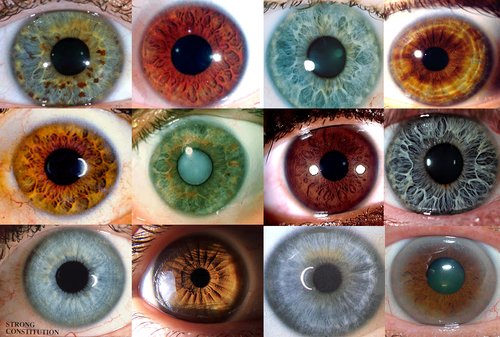
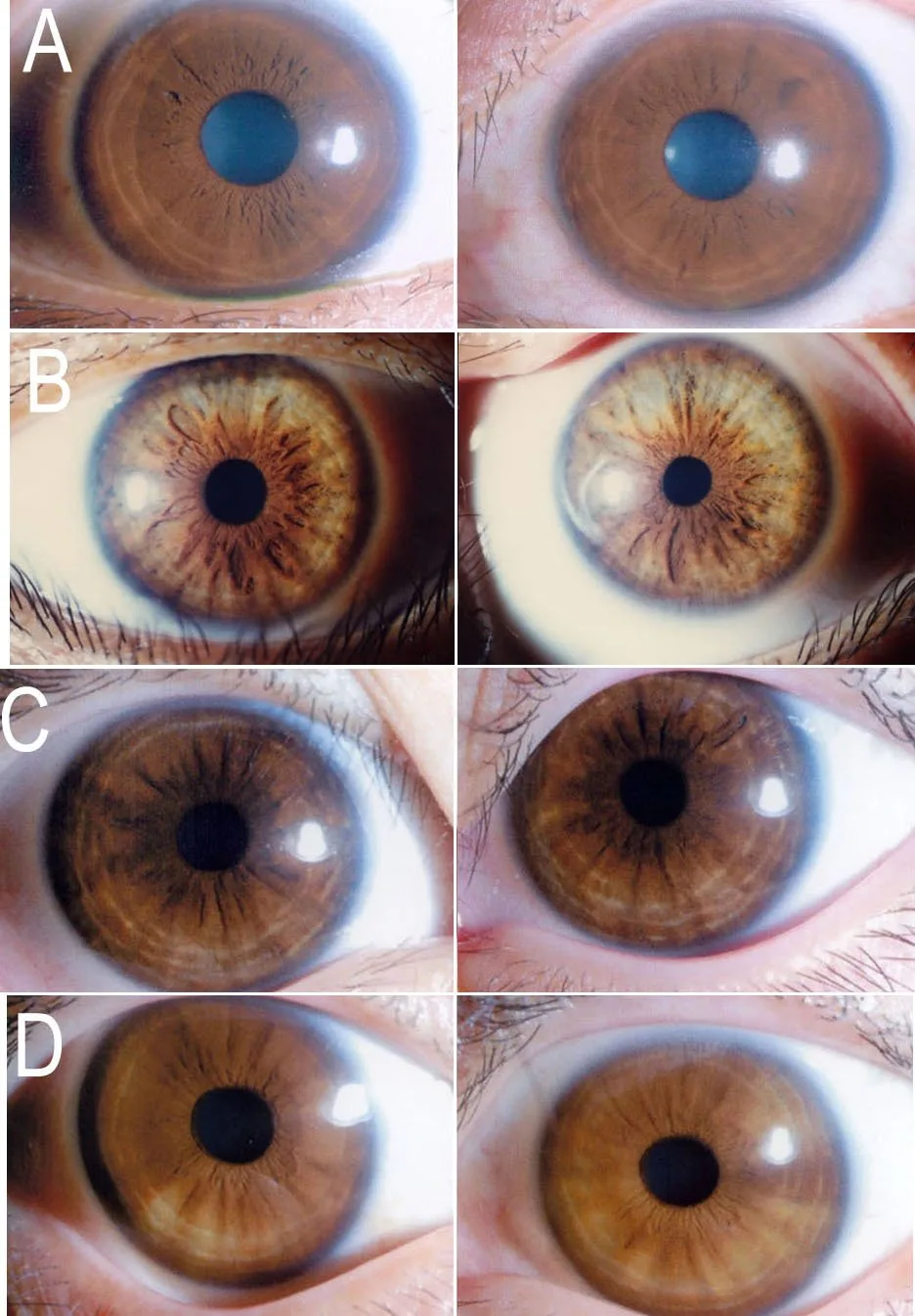
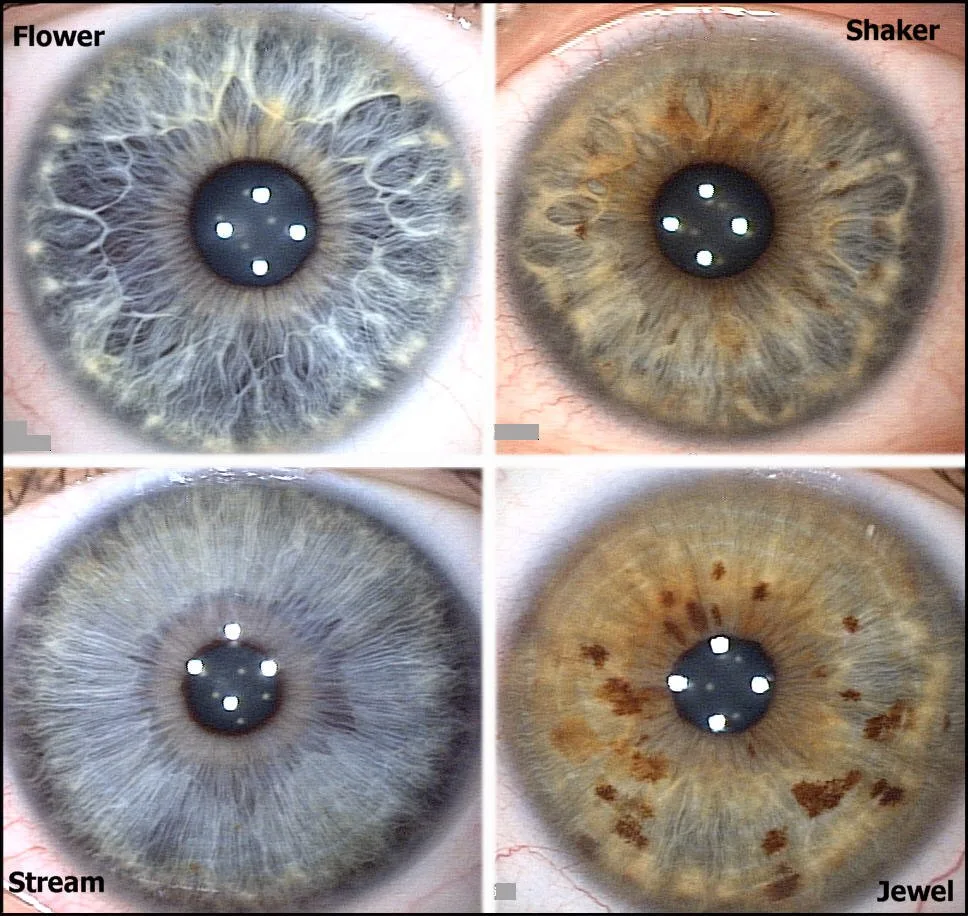
When we talk about what an iris photograph shows, we mean image features: pigmentation, radial furrows, stromal patterns, rings and deposits, and changes visible between visits. For nutrition consultations focused on digestion, those images are useful as visual prompts and a structured way to record perceived changes in a client’s appearance over time.
Important boundaries: iris images do not provide medical diagnoses, test biochemical function or replace imaging or laboratory tests. Our company positions iriscope cameras, comparable provider charts and comparable provider software for wellness, educational and record‑keeping use only. We do not present iris features as proof of specific digestive disease.
How comparable provider can add value to your digestive‑health work
Used responsibly, iris imaging supports three practical aims in a nutrition clinic:
- Client engagement: high‑quality images act as neutral visual references to start conversations about symptoms, diet patterns and lifestyle.
- Monitoring: consistent images taken at intervals provide a visual archive that can complement symptom logs, diet diaries and anthropometric measures.
- Record organisation: software linking images to notes helps keep clinical records tidy and provides prompts for follow‑up questions without making clinical claims.
These uses are clinician‑led and wellness‑oriented. They help structure consultations rather than provide additional clinical evidence of organ pathology.
Practical steps to integrate iris imaging into a digestive‑health consultation
1. Before the client arrives
Decide whether you will offer iris imaging as part of a standard consultation or as an optional add‑on. Prepare written information that explains the non‑diagnostic purpose of imaging and outlines data handling (consent, retention and storage).
2. Consent and information
Use a short scripted explanation and obtain written consent before capture (template later in the article). Make sure the client understands images are for wellness discussion and record‑keeping only.
3. Capture workflow
Establish a consistent set‑up: fixed chair, neutral background, standard distance and lighting. Capture both irises, record the capture date and link images to the client profile in your practice software. Store the original images and a working copy for annotation.
4. During the consultation
Use images as visual prompts: demonstrate where the client’s concerns and symptoms sit in their overall lifestyle picture, compare images if you have earlier captures, and always discuss findings in non‑diagnostic terms (e.g. “visual pattern,” “area for observation”).
How to use images and charts to guide dietary conversations about digestion
Translate visual observations into practical dietary conversation points without implying clinical causation. For example:
- Tie a visible change in a sequence of images to a timed lifestyle change or dietary intervention you already monitored (e.g. a change in fibre intake, probiotics or a FODMAP trial).
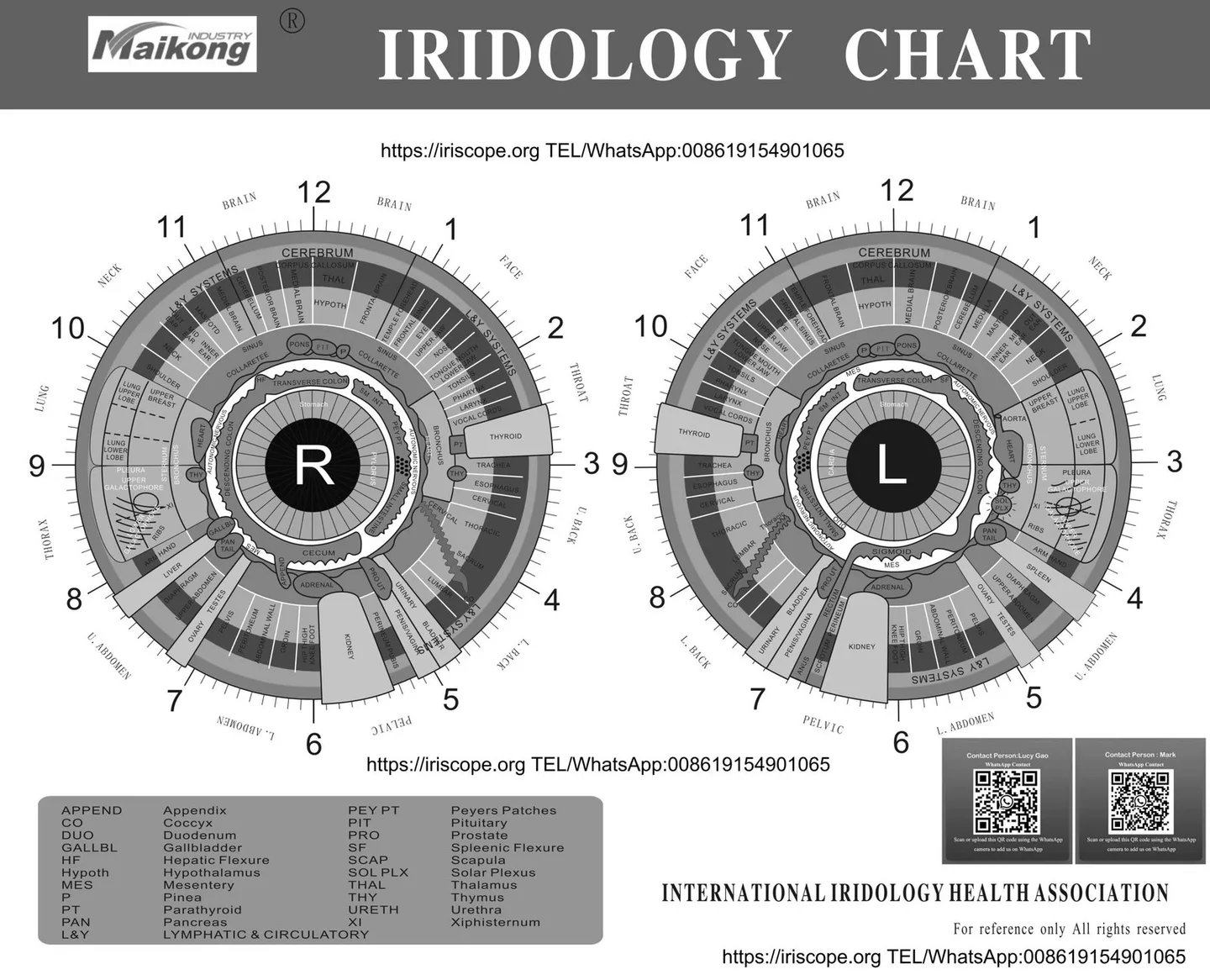
- Use comparable provider charts as a neutral map to prompt questions about bowel habits, bloating timing, medication, alcohol and stress, not as evidence of disease.
- Record agreed‑upon goals and objective measures (weight, bowel frequency, symptom scores) alongside images so future comparisons have clinical context.
Keep language calibrated: avoid words such as “diagnose”, “confirm” or “treat” when discussing what an image shows.
Client screening questions and red flags that require medical referral
Before relying on wellness tools, screen clients for urgent symptoms. If any red flag is present, stop imaging-driven interpretation and refer or advise medical assessment. Typical red flags include:
- Severe or acute abdominal pain, especially if worsening
- Persistent vomiting or inability to keep fluids down
- Gastrointestinal bleeding (fresh blood or melaena)
- Unexplained and significant weight loss
- Progressive difficulty swallowing (dysphagia)
- Jaundice (yellowing of skin/eyes) or signs of severe anaemia
These items are clinical red flags; when present, recommend urgent review by a GP, walk‑in centre or emergency department as appropriate for the symptom severity.
Which MAIKONG tools and software features support digestive‑health workflows
Our product family is positioned for wellness use in professional practice. Below is a compact comparison to help you match workflow needs to tool types.
| Product | Typical clinic use | Practice value for digestion work |
|---|---|---|
| Iriscope | Portable capture for home visits and events | Useful for on‑the‑spot engagement and single‑session documentation |
| comparable provider camera | Dedicated desktop capture for clinic use | Higher consistency and image quality for longitudinal records |
| comparable provider software | Client profiles, image comparison and charting tools | Links images to notes and schedules, supports follow‑up tracking |
We declare that MAIKONG holds ISO 9001, CE and ISO 13485 as company‑reported certifications; clinics should verify local regulatory requirements for any equipment used in a professional setting and ensure product labelling and claims comply with UK rules.
Training and documentation: what to learn before offering iris imaging
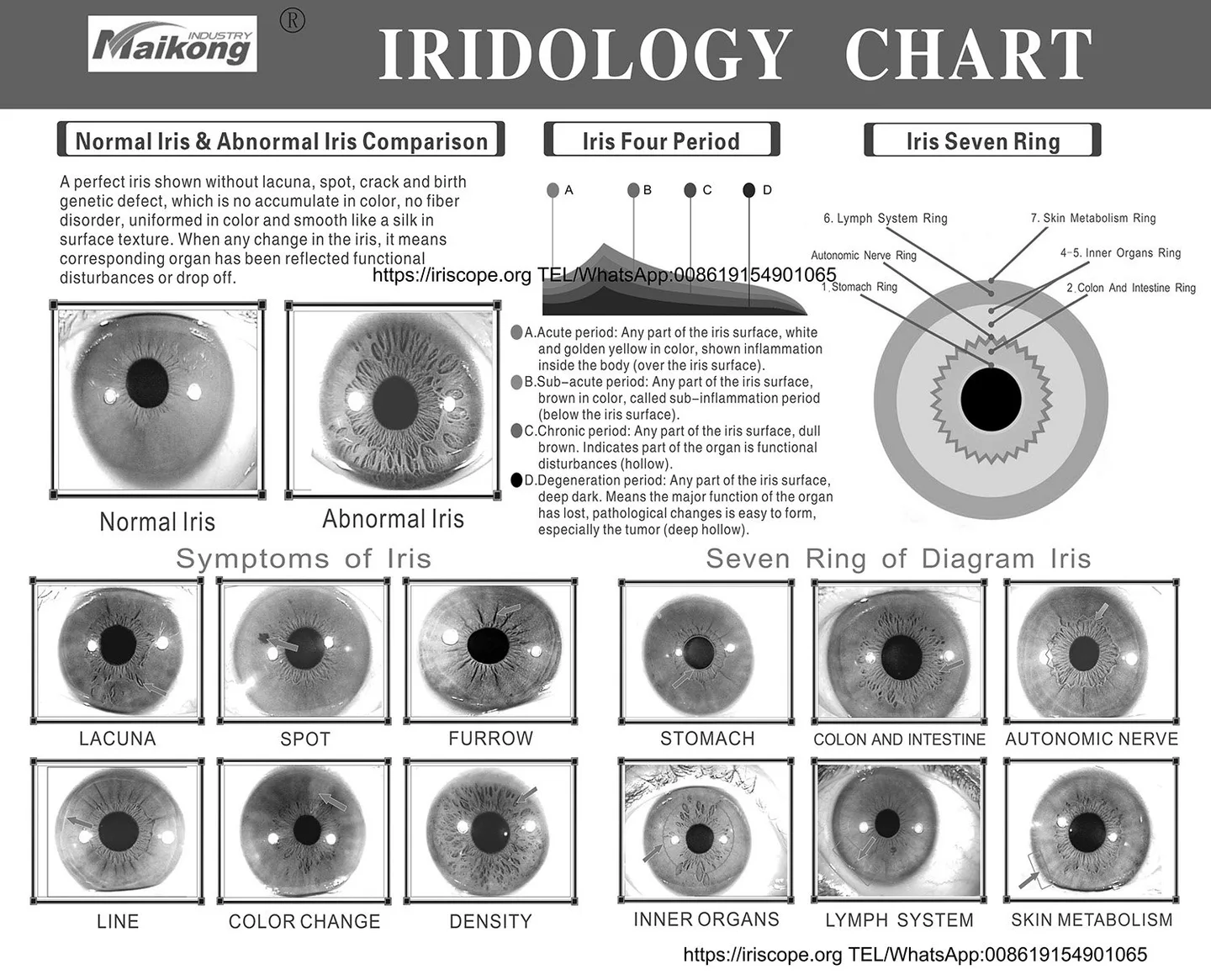
We advise nutrition consultants to acquire basic iris imaging skills and a clear understanding of scope: image capture technique, consistent lighting, annotation and non‑diagnostic client communication. Training topics should include:
- Capture technique and image quality control
- How to link images to client records and symptom logs
- Legal and privacy obligations under UK GDPR
- Clinical boundaries and referral pathways for red flags
If you intend to include imaging in client packages, create written clinic protocols and keep training records for staff.
Data handling, consent and client communication best practice for UK clinics
Follow UK GDPR principles: lawful basis for processing (usually consent for image capture), clear client information, reasonable retention periods, and secure storage. Practical steps:
- Keep a signed consent form that states the non‑diagnostic purpose of the images.
- Store images in encrypted practice software or on secure servers with access controls.
- Allow clients to request deletion or export of their images and records.
Document your retention policy and inform clients clearly at consent.
Common practitioner objections and practical answers
- “It takes too long.”
- Start with an optional add‑on and a concise capture routine. A standardised set‑up reduces time after initial investment in workflow design.
- “There’s no strong clinical evidence.”dt>
- That is correct: comparable provider is a wellness and educational tool. Use images to inform conversations and track subjective change, not as clinical proof.
- “Is it safe from a regulatory perspective?”
- Use our equipment within wellness scope and comply with UK advertising and medical device regulations; confirm any specific claims you make are permissible.
Useful templates
Short client consent script
“I’ll take close photographs of both irises to record visual patterns that can help guide our nutrition conversation. These images are for wellness discussion and record‑keeping only — they are not a medical diagnosis. Do you consent to capture and storage of these images under our privacy policy?”
One‑session capture checklist
- Confirm signed consent and explain non‑diagnostic purpose
- Seat client with neutral background and consistent lighting
- Capture both irises; save originals and tag with date/client ID
- Link images to client profile in software and add consultation notes
- Set follow‑up date and record agreed outcomes or referrals
FAQ — quick clarifications nutrition consultants ask
Can comparable provider detect a specific digestive disease?
No. comparable provider images are not diagnostic tests and should not be presented as evidence of specific diseases. Use them only as educational material and for visual documentation.
Do MAIKONG products come with UK‑specific guidance?
We supply equipment and software intended for professional wellness use. Clinics should ensure their promotional materials and clinical use meet UK regulatory and professional requirements.
Risks and limitations
Key limitations to be explicit about in client communications: we cannot and do not use iris images to diagnose, rule out or treat medical conditions. There is no substitute for clinical assessment where red flags or persistent symptoms exist. Where documentation or certification gaps exist for a given product use in the UK, check the model manual and local rules before clinical deployment.
Next step — request a configuration recommendation or quotation
Contact: lucy@iridologycamera.org | Phone/WhatsApp: +8613510907401 | Contact page
Relevant resources
Local compliance notice
This content is provided for educational and wellness purposes only. MAIKONG iriscope systems, comparable provider cameras, charts and software are intended for professional education, wellness consultation and record‑keeping. comparable provider should not be presented as a medical diagnostic method. Anyone with symptoms or health concerns should seek assessment from a qualified healthcare professional. Ensure your use and advertising of these products complies with UK laws and advertising standards.
This content is provided for learning, information sharing and professional communication only. It is not medical advice and is not a basis for treatment or diagnosis. Confirm suitability, operation and purchasing requirements against the product manual, local regulations and qualified professional guidance.
If you want a suggested configuration for a nutrition clinic (portable iriscope versus desktop camera, software licence options, number of units for multiple sites), contact us with the following details: intended use (digestive‑health consultations), preferred capture environment (clinic or mobile), estimated quantity and UK destination. We will prepare options and a formal quotation on request; pricing is available on inquiry.