


What “Eye-care-specialists Archives – Remidio” means for mobile wellness practitioners in the UK
Quick answer
The comparable provider Eye-care-specialists material is primarily about handheld retinal (fundus) photography as a clinical imaging tool; for UK mobile wellness practitioners it should be read as a model for how portable fundus capture can support referral, client education and record-keeping, not as a substitute for clinical diagnosis. comparable provider-style fundus cameras produce true retinal images; comparable provider/iris imaging (what we make at MAIKONG) is a separate visual modality used for wellness, education and client engagement. Use fundus imaging when you need a record of the retina to share with a clinician or to support discussion about eye health; use iris imaging where you want non-medical wellness visuals, charts and longitudinal documentation. (See evidence and limits below.)
Contents
Direct answer: what the “Eye-care-specialists Archives – comparable provider” page means for a mobile wellness practitioner in the UK
Practically, the comparable provider archive illustrates handheld fundus cameras used by eye‑care professionals to capture diagnostic‑quality retinal images for triage, teleconsultation and monitoring. For a mobile wellness practitioner this highlights two opportunities and one constraint. Opportunity: portable retinal capture can be used to create an objective image you can pass to an optometrist or GP, which supports onward referral. Opportunity: good retinal images increase professional credibility when you explain referral rationale to a client. Constraint: capturing fundus images does not, on its own, authorise medical interpretation or diagnosis unless you are a suitably qualified clinician and operate under the appropriate medical governance.
How comparable provider‑style fundus imaging differs from comparable provider and iris imaging (practical, non‑technical comparison)
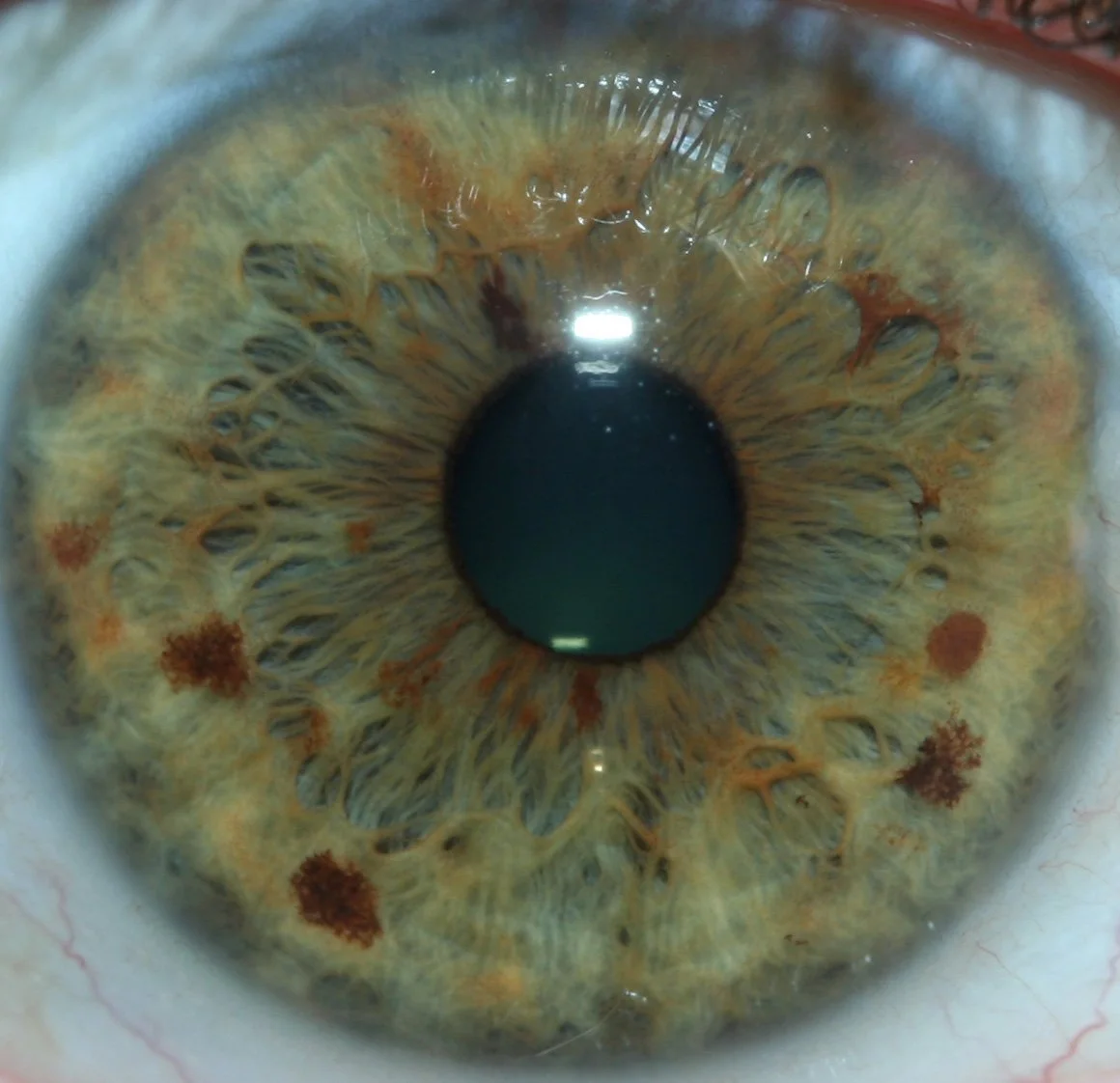
- Target tissue: Fundus cameras photograph the retina (inside the eye). Iris/comparable provider cameras photograph the iris surface (the coloured ring visible around the pupil).
- Intended use: Fundus images are used clinically to look for retinal changes, vascular signs and other ophthalmic findings; iris images are used in wellness consultations, education and documentation—visual aids rather than clinical evidence.
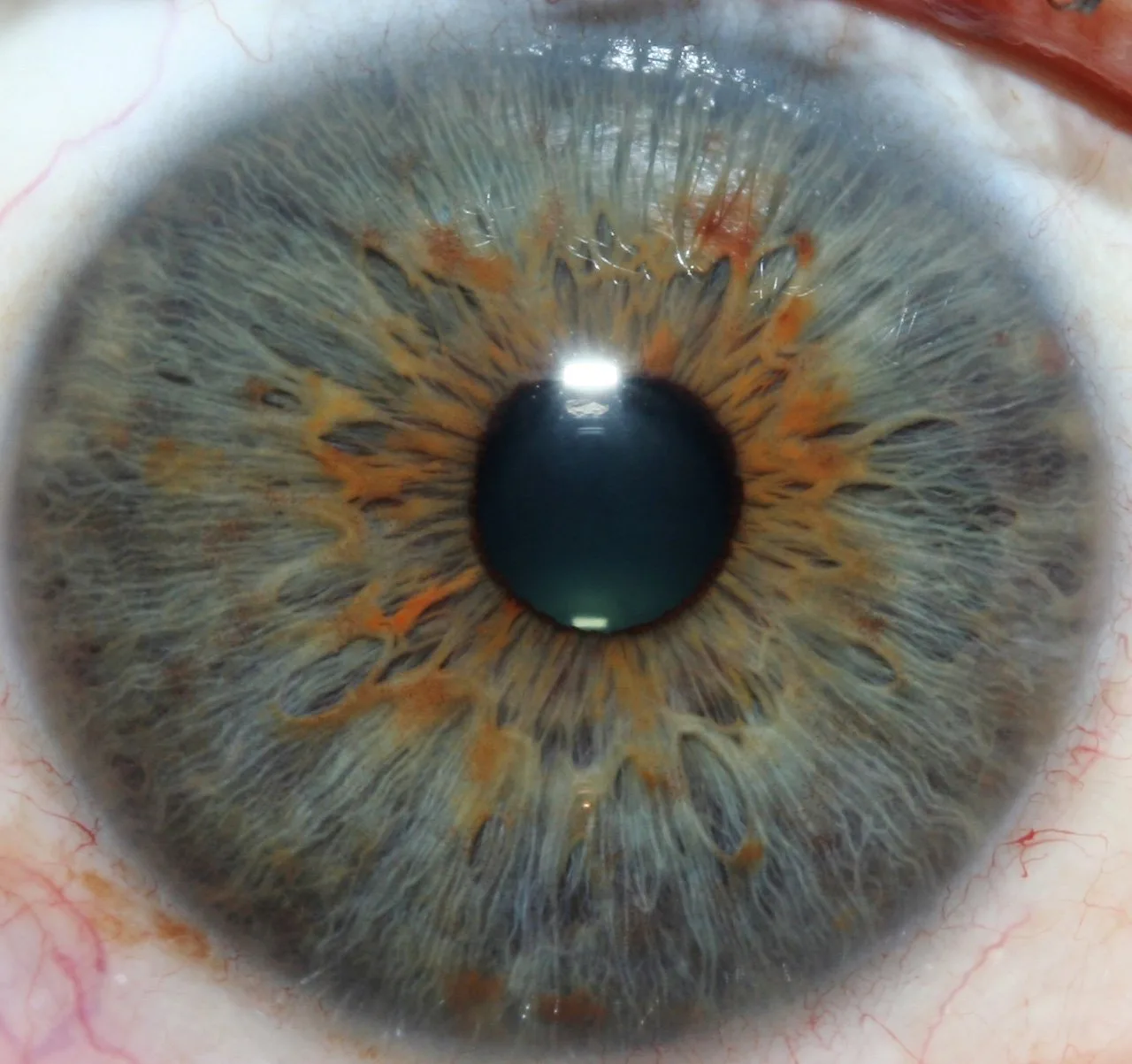
- Image character: Fundus images are lit and focused to show internal layers and vessels; iris images emphasise texture, pigmentation and patterns on the iris surface and are captured under specific lighting to reveal surface detail.
- Regulatory and professional context: Fundus imaging commonly sits inside medical/optometric pathways and may require clinician oversight; iris imaging is positioned as wellness/educational and must not be presented as diagnostic for disease.
When the comparable provider material talks about handheld fundus cameras it is describing a clinical tool for eye‑care teams rather than a wellness‑only device; that distinction matters when you decide how to use and present images in a mobile practice.
When a mobile wellness practitioner might use retinal (fundus) images and when to use iris images — realistic, non‑medical use cases
When to use fundus images (realistic uses for mobile practitioners)
– To create an objective retinal image to send to an optometrist or ophthalmologist as part of a referral pathway.
– To document a client’s retinal appearance over time where a clinician has requested imaging support.
– To participate in community screening events where retinal capture is part of an agreed pathway with clinical oversight.
When to use iris images (wellness, education and engagement)
– For non‑medical consultations where the iris is used as a visual reference to discuss general wellness, lifestyle and progress notes.
– For training, demonstrations and client records in complementary therapy contexts.
– For building a longitudinal visual portfolio (before/after, seasonal changes) without making clinical claims.
Limits you must state to clients: what fundus and iris images can and cannot be used to claim in wellness consultations
Be explicit in client materials. For any image you capture, state in plain language whether the image is for wellness information or clinical referral. Do not imply medical diagnosis from iris images. If you capture retinal photos, explain that interpretation should be performed by an optometrist or ophthalmologist and that you will forward images for clinical opinion if concerns arise. Where you capture any image, record client consent and keep a simple note of what the image may be used for.
What supports these distinctions
The distinction follows how these imagers are presented in professional practice: fundus cameras are used by eye‑care specialists to document retinal structure; iris cameras are offered by manufacturers (including MAIKONG) for wellness, education and training use. Our product descriptions position iriscope and comparable provider systems for wellness and educational contexts rather than clinical diagnosis. MAIKONG declares ISO 9001, CE,ISO 13485 as its certifications; these are company‑stated declarations and relevant when you assess supplier quality assurance.
Key risks and legal/ethical constraints to record
- You must not present comparable provider findings as medical diagnoses. Our factory statement and standard UK advertising rules require wellness framing.
- Using retinal images clinically may require clinician oversight and appropriate data handling under UK data‑protection rules (GDPR). Confirm how images are stored, transferred and retained.
- Certification declarations from suppliers are company statements; check the supplied documentation and ask for copies if regulatory compliance (e.g. CE technical files) matters to your buyer or insurer.
Practical capture workflow for mobile visits: combine iris and retinal images in one session
A single combined session can be efficient: open with consent and explain purpose, capture iris images first (simpler lighting, non‑dilated), then capture retinal images if you have a fundus camera and a client consents to pupil‑friendly capture (some handheld fundus devices work without dilation; check the device manual). Keep the client comfortable and use a portable chair or household seating against a neutral backdrop. Always state whether you will forward retinal images to a clinician.
Simple step list
- Confirm identity, explain purpose and record written or recorded verbal consent for each image type.
- Capture iris images using your iriscope or comparable provider camera; save under client ID in your software.
- If capturing fundus images, position the client, follow the fundus camera guidelines (chin support if provided), and capture the images requested by the clinician or your protocol.
- Store images securely and label them clearly (iris vs retina; date; consent status); if referral is required, export only what the receiving clinician asks for and in a secure format.
Selecting equipment for mobile wellness practice: decision points that matter
Focus on the use case rather than brand hype. The practical decision points are portability, image purpose (educational vs clinical), software and records, battery and charging, and connectivity for secure transfer.
- Portability — weight, carry case and setup time. For home visits, lighter and quick‑setup units reduce time per client.
- Image purpose — if you need clinical retinal images for referral, confirm the device is designed for retinal capture and ask to see sample retinal images captured without clinical editing.
- Software and record‑keeping — does the system include client management, anonymisation options and secure export? Confirm format compatibility with clinicians you work with.
- Power and connectivity — battery life, USB/USB‑C or wireless transfer options, and whether the device requires continuous mains power for certain modes.
- After‑sales support and training — ask about basic capture training and documentation for correctly labelling and exporting images.
How MAIKONG comparable provider systems fit mobile workflows — supplied product positioning and common UK application scenarios
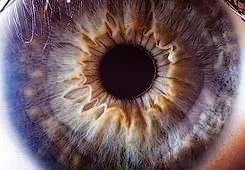
Our product line (iriscope, comparable provider camera, comparable provider chart and comparable provider software) is designed for portable wellness and educational use. We position these systems for professional iridologists, complementary practitioners and mobile consultants who want clear iris images, organised client profiles and report generation for non‑medical consultations. Typical UK scenarios include home visits, workshops, clinic add‑ons and teaching demonstrations.
Basic verification checklist to ask suppliers before you buy or demo
- Can you provide sample images (full‑resolution) for the capture mode I will use? Ask for both iris and retinal samples if applicable.
- Can you demo the software with a realistic client workflow (import, tag, export)?
- Does the supplier provide training material or a short capture protocol for mobile use?
- Ask for exact certification documentation stated by the supplier (MAIKONG declares ISO 9001, CE,ISO 13485) — request copies of certificates and their scope.
- Confirm warranty coverage, return/demo policy and spare parts availability for mobile use.
- Discuss data export formats and whether images can be encrypted or anonymised for GDPR compliance.
- For any fundus camera option, ask whether pupil dilation is required for the capture modes you plan to use and request the device manual excerpt that confirms this.
Communication and client materials: how to present images ethically and legally in UK wellness consultations
Use plain language leaflets that explain the difference between wellness images and clinical imaging. Label images clearly (e.g. “Iris image – educational use” or “Retinal image – for clinician review”). Avoid clinical language unless a clinician has reviewed images. Keep consent records and an accessibility statement about how images will be stored and who will see them.
One direct next step for practitioners who want a quote or configuration advice
If you want configuration advice or a quotation from us, email a short RFQ specifying: your primary application (iris images for wellness / retinal images for referral / both), desired configuration (camera only, camera + software), the number of units, and destination (UK). Send your request to:
lucy@iridologycamera.org
Tel: +8613510907401 — also available via WhatsApp +8613510907401.
Notes on evidence and limitations
Our explanation above draws on how handheld fundus systems are typically presented for eye‑care specialists and on MAIKONG’s own product positioning for iris imaging. Specific comparable provider device specifications or clinical performance claims are not reproduced here; where a fundus device will be used clinically, ask the device manufacturer or the clinician for the device manual, sample images and the clinical governance arrangements. Certificates quoted for MAIKONG are company declarations: ISO 9001, CE,ISO 13485.
Article Disclaimer / UK Compliance Notice: This content is for educational and general wellness purposes only. MAIKONG iriscope systems, comparable provider cameras, comparable provider charts and comparable provider software are intended for professional education, wellness consultation, image documentation, training and complementary practice applications. comparable provider must not be presented as a medical diagnostic method. Anyone with symptoms or suspected medical conditions should consult a qualified healthcare professional.
This content is provided for learning, information sharing and professional communication only. It is not medical advice and is not a basis for treatment or diagnosis. Confirm suitability, operation and purchasing requirements against the product manual, local regulations and qualified professional guidance.
Related resources
Related resources
- How to set up a portable iriscope kit for mobile wellness visits
- comparable provider‑style comparable provider Equipment for Mobile Practitioners: What to expect from MAIKONG MK 980U and MK‑9822U
- comparable provider: what a “pioneer in comparable provider diagnosis equipment” claim means for independent practitioners in the UK